The Recording Industry Association of America released its Q1 2026 revenue report this week and the biggest number buried in the data is the Latin music growth rate. Latin music revenue in the United States grew 24.7 percent year over year, compared to 8.3 percent for total recorded music. Latin is now 8.5 percent of total US recorded music revenue, up from 4.1 percent five years ago. If the current trajectory holds, Latin will pass country music by revenue before the end of 2027. That is a structural shift in American music consumption that most industry conversations have not caught up to.
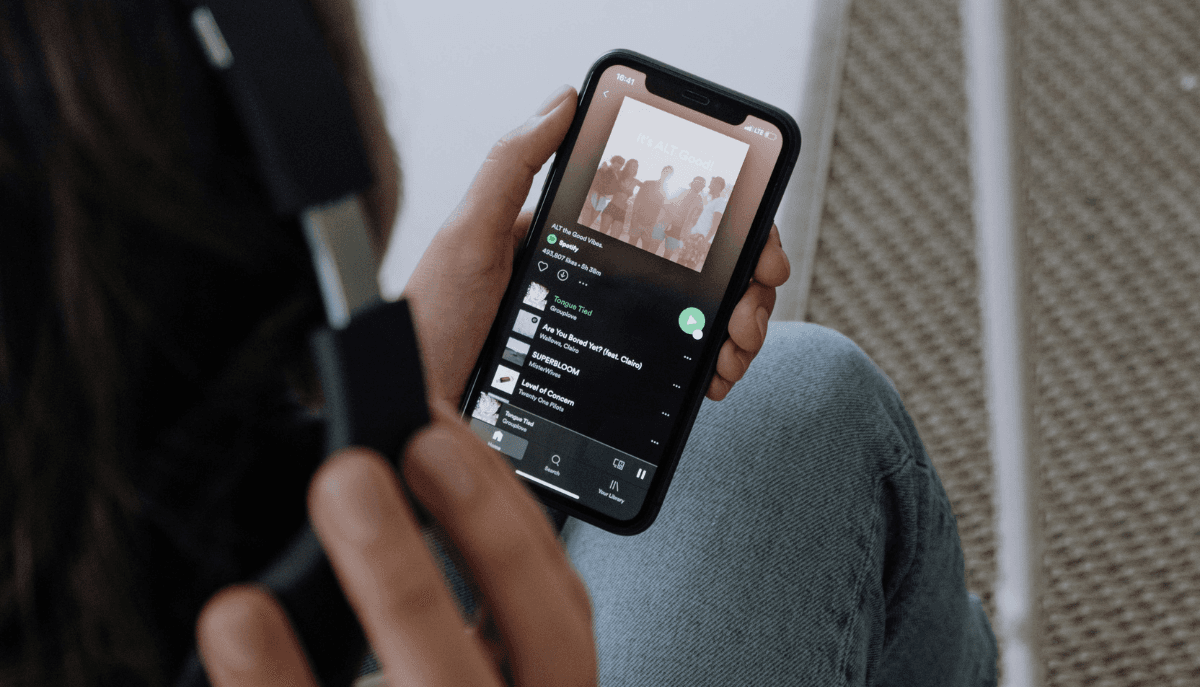
The growth is almost entirely streaming-driven. Latin music has the highest streaming share of any genre at 98.2 percent of revenue, compared to 84 percent for hip hop and 78 percent for pop. The audience is listening on Spotify, Apple Music, and YouTube at rates that most label executives did not forecast three years ago. Bad Bunny, Karol G, Peso Pluma, Fuerza Regida, Rauw Alejandro, Feid, Xavi, and Grupo Frontera are posting monthly Spotify listener numbers that rival the top ten Anglo pop stars. Bad Bunny's monthly listeners sit at 82 million. Karol G at 68 million. These are not niche artists within a foreign-language bucket. They are platform-level global superstars.
The genre breakdown inside Latin music is the story within the story. Regional Mexican music (corridos tumbados, banda, norteño) is the fastest-growing subgenre, up 47 percent year over year. Peso Pluma, Natanael Cano, Junior H, and Fuerza Regida took a subgenre that Mexican American audiences always knew and pushed it onto mainstream US charts. Reggaeton continues to grow at 19 percent. Música urbana hybrid sounds (the Karol G Feid Rauw Alejandro space) grew 26 percent. Bolero and bachata both posted single-digit declines. The demographic shift is not just Latin music broadly. It is specifically Mexican and Colombian-origin youth culture becoming central to American teen and twenty-something consumption.
Live music economics are catching up slowly. Latin touring revenue for 2025 was 1.9 billion dollars per Billboard Boxscore, up 38 percent year over year, with Bad Bunny's "Most Wanted Tour" generating 354 million dollars. Karol G's "Mañana Será Bonito" tour sold out three stadiums in 11 cities. Peso Pluma's arena tour sold out twice in Chicago and Los Angeles. But most major US venue infrastructure, promoter relationships, and radio programming workflows were built for the Anglo-dominant industry. Latin artists routinely play to bigger audiences than country or rock headliners while getting smaller fees, worse routing, and less radio support.
Record labels are restructuring in response. Universal Music Latin Entertainment expanded headcount 34 percent in 2025. Sony Music Latin launched a dedicated A&R arm for regional Mexican last year. Warner Music Latina signed expansion deals with distribution partners in Mexico, Colombia, and Argentina. Independent labels like Rimas (Bad Bunny), Rancho Humilde (Peso Pluma, Natanael Cano), and Neon 16 are punching above their weight. The pattern is familiar. Hip hop went through this restructuring in the late 1990s. Latin music is getting its 1998 moment a quarter-century later.
Nashville is starting to take notice. The CMA Awards added a new Latin artist consideration category for 2026. Country-Latin collaborations continue to proliferate: Kane Brown with Camilo, Carin León with Leon Bridges, Shaboozey with Peso Pluma. The crossover audience is massive. More than 60 percent of Peso Pluma's US listeners are non-Hispanic per Spotify's publicly shared demographic data. The audience has already crossed over. The industry is still pretending otherwise in many of its structures.
For working musicians, the Latin boom is opening new paths that didn't exist five years ago. Producers who speak Spanish or work bilingual sessions are in higher demand than at any point in the genre's US history. Engineers who understand regional Mexican production (the specific tuba bass, the requinto guitar pattern, the corridos tumbados melodic style) are fully booked. Songwriters who write in Spanish are getting pubdeals at rates higher than their Anglo counterparts. The career economics inside Latin music are better right now than in any other part of the recorded music business.
What happens next depends on whether the industry treats this as a moment or as the new structure. History suggests it is the new structure. American music, like American culture, has never stayed static. Country went mainstream from a regional niche. Hip hop moved from the Bronx to every suburb. R&B reshaped pop. Latin music is doing the same thing. The fastest way to understand where American music is headed in the back half of the 2020s is to listen to what 19-year-olds in Houston, Phoenix, Los Angeles, and Chicago are actually playing in their cars right now. It is not what it was five years ago, and it will not be the same five years from now.