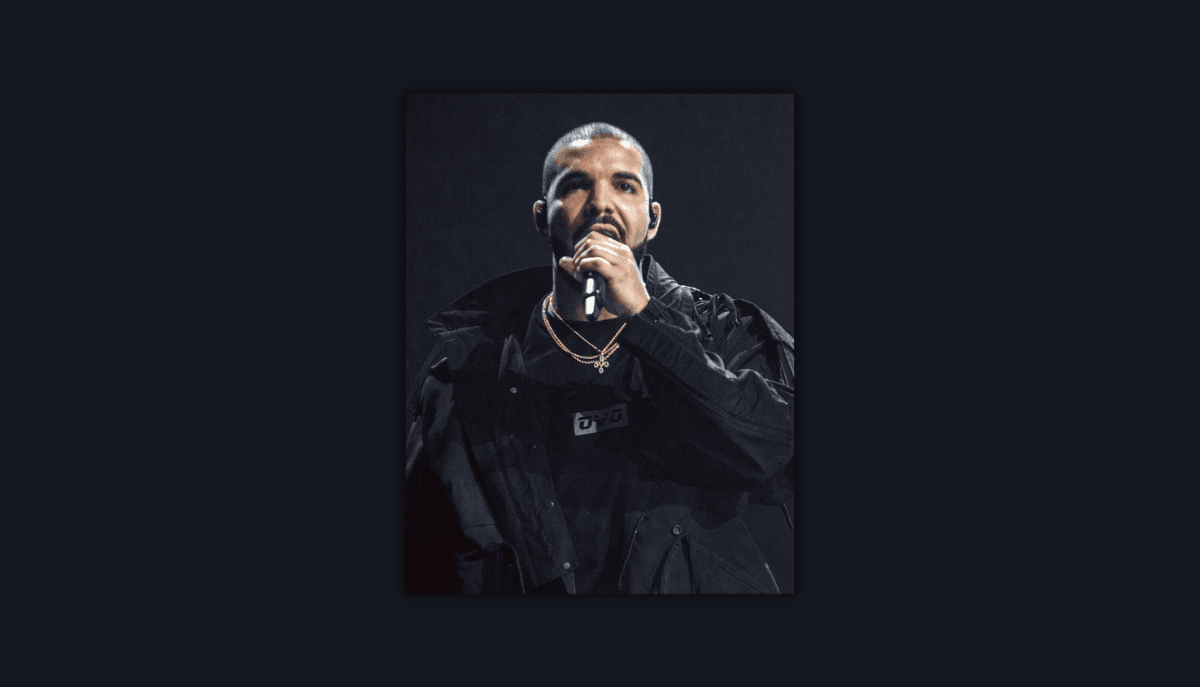
Drake has been one of the most commercially dominant artists in music history for the better part of fifteen years. That is not debatable. The numbers are the numbers. But commercial dominance and cultural relevance are different currencies, and the conversation around Drake heading into 2026 has been shaped less by his sales figures and more by the perception that his music has settled into a formula. The pop-rap sound that made him inescapable from 2015 through 2022 started to feel predictable. Critics pointed to diminishing returns on recent projects. The Kendrick Lamar feud, which consumed much of 2024 and 2025, shifted the narrative further toward whether Drake was still capable of making music that mattered beyond the charts. Now his producer OZ is publicly building hype for an album called ICEMAN, and the signals suggest something genuinely different is coming.
OZ, who has been one of Drake's most trusted collaborators for years, posted a message this month that was vague enough to be interpreted multiple ways but specific enough to generate serious conversation. The implication was that ICEMAN represents a creative departure from what fans and critics have come to expect. The exact details of the sound, the features, and the release date remain unclear, but the tone of the message was not the usual hype-building exercise where a producer calls the album the best thing ever made. It was measured, almost cautious, as if the team knows they are presenting something that will require listeners to meet it on its own terms rather than expecting another round of stadium-ready anthems.
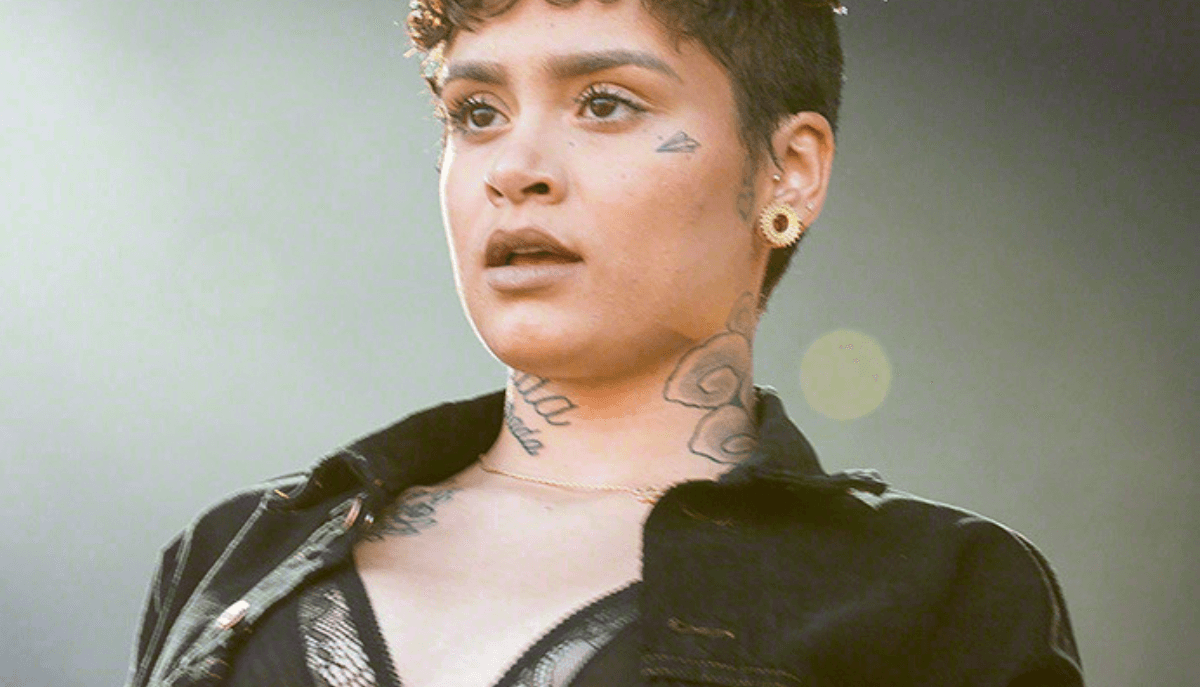
The timing matters for several reasons. 2026 is shaping up to be one of the most stacked years for rap releases in recent memory. Playboi Carti's Baby Boi project has been generating massive anticipation. J. Cole is expected to release The Fall Off, which has been teased for years. Travis Scott, Baby Keem, and Yeat all have projects either confirmed or rumored for the calendar year. Drake is not operating in a vacuum. He is dropping into a year where attention is being divided across multiple high-profile releases, and the margin for a project that feels like more of the same is razor thin. If ICEMAN is genuinely a departure, it has a chance to cut through. If it is another iteration of the same formula with a different title, it will get consumed and forgotten faster than anything Drake has released in his career.
The broader context of Drake's position in the culture right now is complicated in ways that work both for and against him. The Kendrick situation made him a target in a way he had not been before. For the first time in his career, the narrative around Drake was not that he was the biggest or the most successful or the most versatile. It was that he had been exposed, outmaneuvered, and culturally diminished by someone who is widely regarded as the best pure rapper of their generation. That narrative is reductive and ignores the reality that Drake's commercial numbers remained strong throughout the entire period, but it shaped public perception in ways that are difficult to undo with a standard release cycle. ICEMAN needs to do something that Drake has not had to do in a long time: change the conversation.
What makes OZ's involvement significant is that he is one of the few producers in Drake's circle who has consistently pushed toward darker, moodier territory. If OZ is the primary architect of ICEMAN's sound, there is a real possibility that the album leans into the atmospheric, introspective lane that Drake has always been capable of but has often set aside in favor of more commercially accessible material. Some of Drake's best work, the tracks that critics and fans agree on, lives in that space. The question is whether he is willing to commit to it fully or whether the commercial instinct will pull the final product back toward the center.
For the hip hop landscape in 2026, a Drake album that genuinely sounds different would be significant regardless of how it is received. Drake's influence on the sound and business of rap over the past decade has been enormous, and when he shifts direction, other artists and labels pay attention and adjust accordingly. If ICEMAN moves the needle toward darker, more experimental production, it could signal a broader shift in what mainstream rap sounds like heading into 2027. If it falls flat, it will accelerate the narrative that Drake's era of cultural dominance has ended and that the genre has moved past him. Either outcome matters. The one thing ICEMAN cannot afford to be is forgettable.
The release timeline is still unclear. Drake has historically been unpredictable about dates, sometimes announcing and delivering within weeks, other times teasing for months before going quiet. OZ's message suggests the project is far enough along that the rollout has begun in earnest, but whether that means a spring or summer release is anybody's guess. What is clear is that the team around Drake understands the stakes. They are not building hype for another album. They are building hype for what might be the most important creative decision of his career.