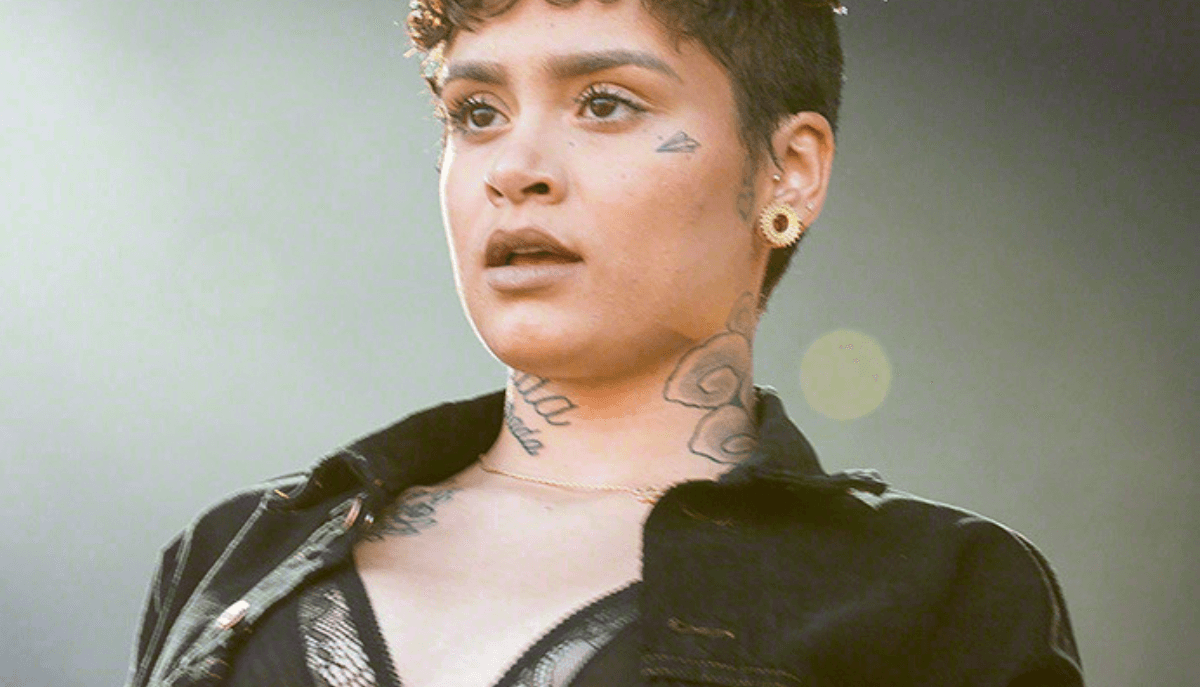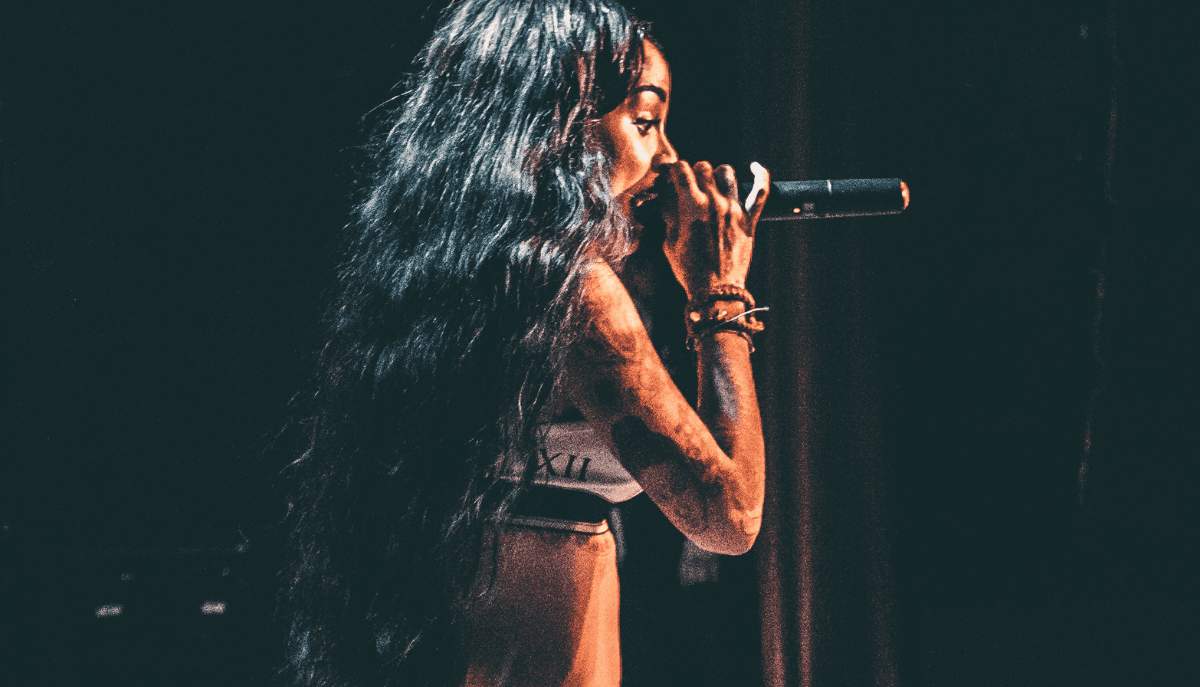
Kehlani releases her self-titled album on April 24, 2026, and the timing of that choice deserves attention. Self-titled albums are not made early in careers when artists are still finding their voice. They are made when an artist believes they have enough clarity about who they are to put their name on the whole thing without qualification. For Kehlani, who has been releasing music for over a decade across various labels and creative configurations, this is a declaration. It signals that she has arrived at a place where outside definitions of her sound no longer carry the same weight they once did.
Kehlani has navigated the intersection of R&B, pop soul, and personal narrative since SweetSexySavage in 2017. Her catalog reflects an artist who has never been fully confined by a single label relationship or a single commercial lane. She has been increasingly vocal about controlling her creative output and building direct relationships with her audience rather than relying on the traditional label machinery to define her reach. The self-titled project follows Blue Water Road in 2022, a critically well-received album that leaned into queerness and emotional vulnerability in ways that expanded her audience while also deepening it. That album earned her a level of critical credibility that commercial metrics alone cannot produce.
The R&B category has had a complicated few years commercially. Luminate's 2025 mid-year report showed R&B and hip-hop's combined streaming share declining from peaks set in 2020 and 2021, even as the genre continued to produce critically acclaimed music across formats. Artists in the R&B lane are increasingly building around direct audience relationships, live performances, and catalog monetization rather than radio-driven commercial cycles. Kehlani has operated in exactly that model. Her social media presence, particularly on TikTok and Instagram where she has maintained a personal and often unfiltered voice, means her fan base approaches each project with a level of investment that chart positioning does not fully measure.
What this album represents at the career level is an artist at peak creative authority making a statement about ownership. That word carries specific meaning in the music industry. It means master recordings, publishing rights, creative control over visual presentation, and the ability to determine how and where music gets licensed. Artists who built their careers in the streaming-native era have watched the value of those decisions play out in real time across the careers of peers who made different choices. Kehlani reaching this point and choosing to mark it with a self-titled record is a statement about where she stands relative to all of that.
The release comes at a moment when R&B is doing interesting things at the album level specifically. The mid-tier of the genre, artists who are not legacy acts but are also not emerging artists, has been thinning commercially while simultaneously producing some of the most creatively interesting work in any genre. Kehlani sits in that space with clarity. She is past the phase of proving herself, past the phase of commercial positioning, and operating from a place where the work itself is the argument. Self-titling a record after that kind of career arc says that she believes the work is finally exactly what she means it to be.
The advance material released ahead of the album suggests a project that is layered without being inaccessible, personal without being indulgent, and musically ambitious without performing ambition. That balance is harder to achieve than it looks. Most of Kehlani's best work has always lived in that range. The self-titled album is positioned as the clearest expression of it yet, and given where she is in her career, the credibility behind that positioning is earned rather than marketed.
For the R&B audience watching this release, the stakes extend beyond whether the album charts well. The question is whether an artist who built her following on emotional honesty and creative independence can use this moment to demonstrate that the path she chose produces better work over the long term than the alternatives would have. The early indicators suggest the answer is yes. Whether the broader industry conversation catches up to that in real time or in retrospect is a different question, but one that matters for every mid-career artist in this genre navigating the same set of choices.