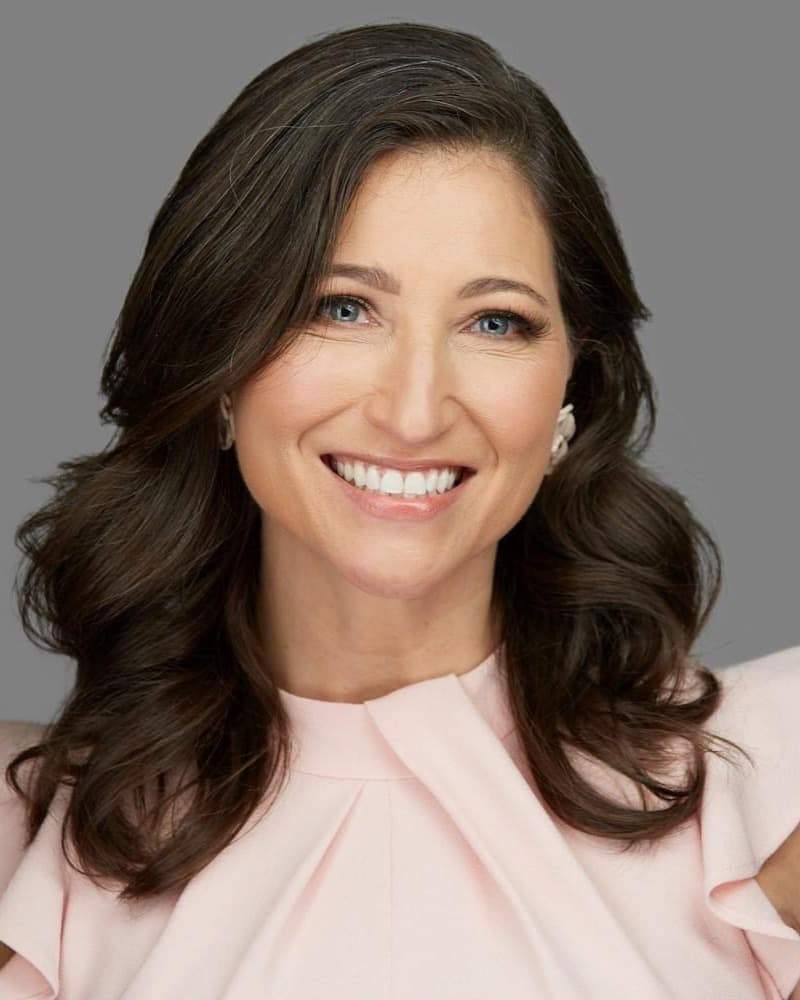
Organizations call Yesenia Sevilla when they think they have a technology problem. Most of the time, she finds something else underneath it. A trust problem. A communication problem. A leadership team that has not actually aligned on what they are building, or who it is for. The AI strategy is the easy conversation. The conversation underneath it is the one most companies have been avoiding for years.
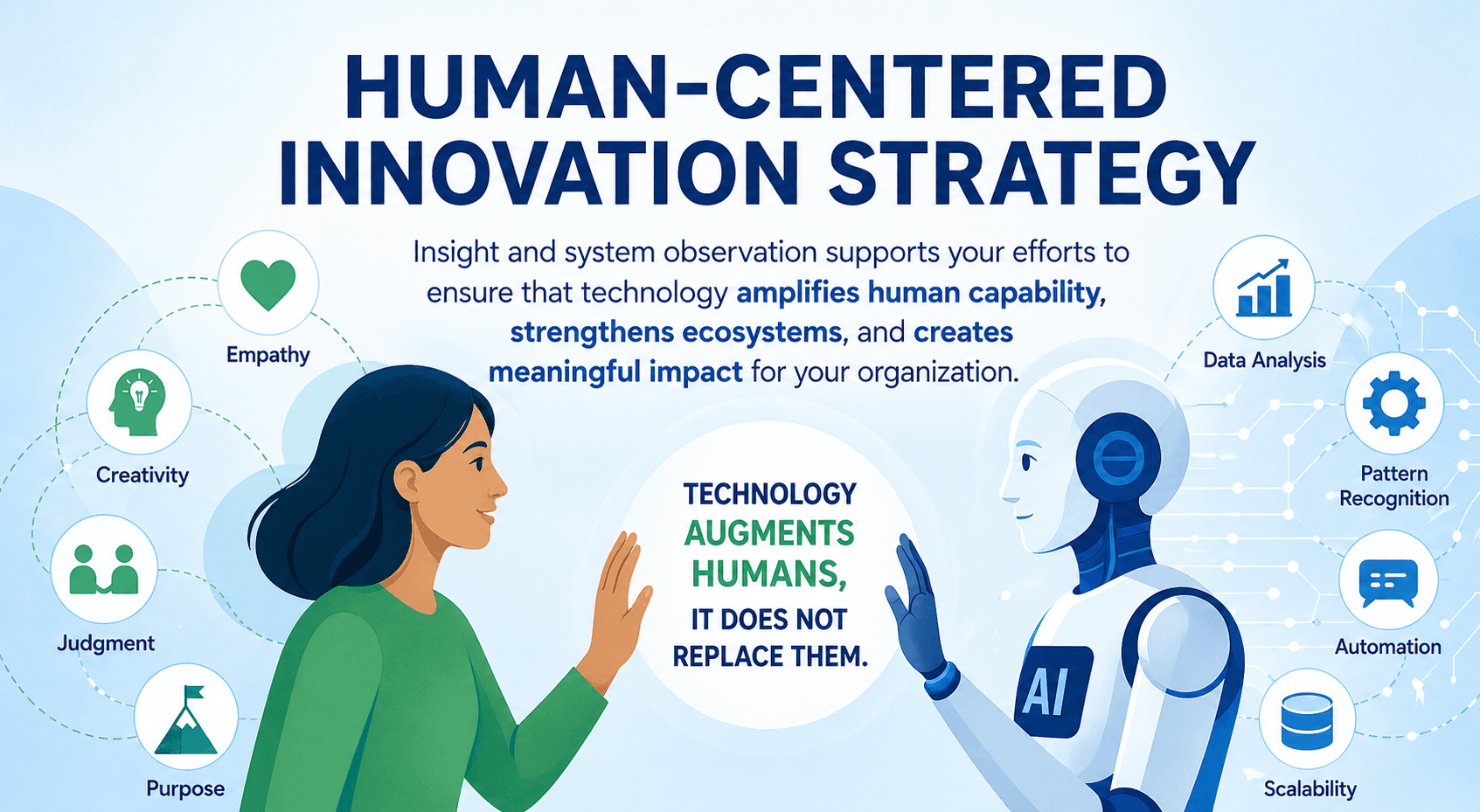
That is the work she has built her career around. Sevilla is based in Nashville, where she operates as a TEDx speaker, author, and human-centered innovation strategist. Her practice sits at the intersection of strategy, leadership, and human behavior, helping organizations adopt new technology in ways that strengthen the people inside the system instead of working around them.
The twenty-plus years behind her cross biotech, healthcare, higher education, entrepreneurship, and edtech. On paper those look like different industries. In her telling, they are the same job done in different rooms. The constant has always been helping people navigate complexity and change.
Achievement and alignment are not the same thing.
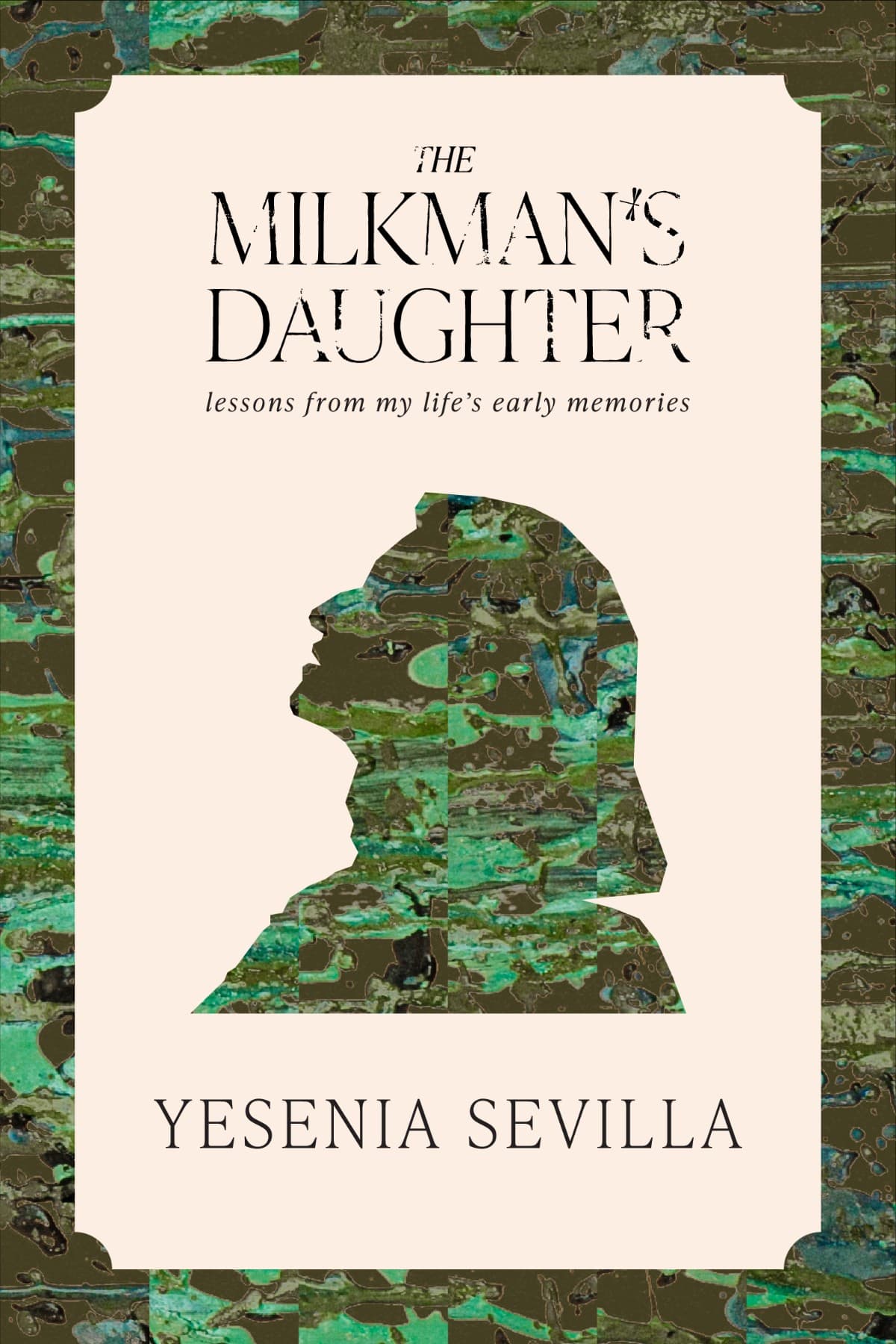
Revenue today comes from consulting retainers, advisory projects, speaking engagements, workshops, and fractional innovation strategy work. There is also an emerging thought leadership side built around her writing, podcast appearances, and her book, The Milkman's Daughter, which opens longer conversations about leadership, resilience, identity, and the human systems she spends her days inside of. The book grew out of her own early life, growing up between cultures, languages, and very different social and economic worlds. Those years taught her to read environments quickly, to notice unspoken dynamics, to adapt. The empathy was not a brand. It was a survival skill that turned out to be useful professionally later.
A typical week is a mix of strategy calls, partnership conversations, keynote development, writing, mentoring founders and students, and a surprising amount of relationship-building across ecosystems. Innovation, she will say, rarely happens in isolation. There is also the operational layer most people do not see: proposals, follow-up, positioning, content. Building the business while doing the actual work of the business. She spends a lot of time listening. Probably more than talking.
The constraint right now is focus allocation. Sevilla can operate across a lot of domains, and many of the opportunities in front of her are meaningful. Not all of them scale the same way, and breadth has its own friction. There is also a structural challenge with the kind of work she does. Human-centered outcomes show up over long horizons. The value is real, but it does not always read cleanly on a spreadsheet in quarter one, even though it is often the thing that decides whether a transformation effort succeeds at all.
Daily purpose looks less inspirational than people think. It mostly looks like consistency, presence, listening, discernment, and trying to leave people better than I found them.
There was a stretch where the outside picture and the inside picture did not match. Sevilla was carrying leadership responsibilities, building organizations, supporting other people, and outwardly succeeding, while internally working through old trauma, burnout, grief, and a shift in identity. What it cost was certainty. Some relationships. Some versions of herself she had outgrown. What she got back was a different understanding of how to lead. She also stopped separating her personal experience from her professional work, and stepping more visibly into thought leadership through speaking and writing turned out better than she expected. People were craving honesty in leadership conversations more than she had realized.
The decision she would undo is the inverse of that one. She spent too many years inside systems that valued performance over wholeness, staying longer than she should have because she believed proving herself mattered more than protecting her peace.
Faith and purpose show up in the work, but not in a performative way. They show up in how she treats people when there is nothing to gain from it. In mentoring. In noticing who gets left out of the conversation. In the belief that innovation should expand dignity, not just efficiency. It also shows up in restraint, in knowing that not every opportunity is worth pursuing if it compromises alignment.
What is next is a platform. Sevilla is building Sevilla Impact Studio to bring her consulting, thought leadership, speaking, and ecosystem development under one roof. She is also focused on shaping a healthier conversation around AI, the one that asks whether the technology disconnects people from meaning or amplifies what they are already capable of. Her bet is that human skills, the empathy and systems thinking and trust-building that organizations have historically underpriced, are about to become more valuable, not less.