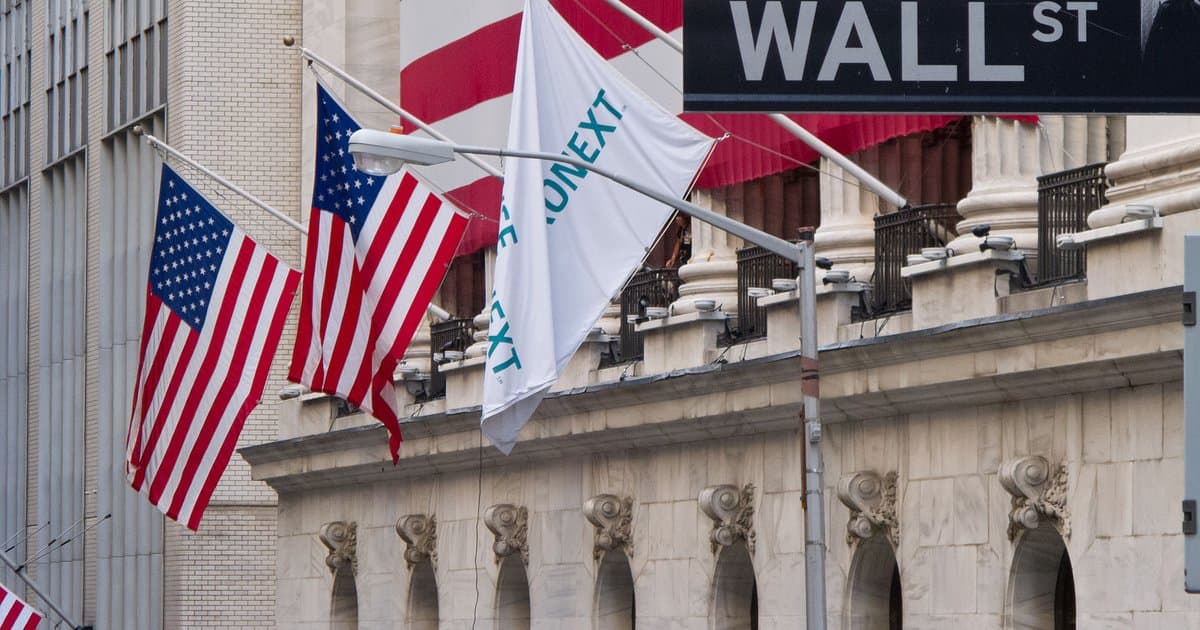
NEW YORK, May 22. The Dow Jones Industrial Average closed at a record high on Friday, capping a shortened trading week with another all-time peak as investors grew more hopeful that the United States and Iran are moving toward an agreement to end their war. The blue-chip index rose 294.04 points, or 0.58 percent, to finish at 50,579.70, according to market data cited by TheStreet. The broader S&P 500 added 0.37 percent to close at 7,473.47, while the Nasdaq Composite gained 0.19 percent to end at 26,343.97. All three benchmarks finished below the intraday highs they reached earlier in the session, per the same report. Trading volume was light ahead of the long holiday weekend, a pattern common before major market closures. United States stock markets, including the New York Stock Exchange and the Nasdaq, will be closed Monday, May 25, in observance of Memorial Day.
The advance extended a run of gains that has pushed the Dow to repeated records this month. Much of the recent momentum has tracked headlines out of the Middle East, where reports of progress in talks between Washington and Tehran have eased fears of a wider conflict that could disrupt global oil supplies. Secretary of State Marco Rubio said Friday there had been some slight progress in the negotiations, though he cautioned that he did not want to be overly optimistic, according to comments reported by CBS News. Energy shares lagged the broader market as crude oil prices pulled back on the prospect of a deal, reversing some of the gains booked during the height of the standoff. Lower oil prices tend to weigh on energy producers even as they offer relief to consumers and businesses that depend on fuel. The sector has still been one of the strongest performers of the year, buoyed by months of supply concerns tied to the Strait of Hormuz.
Beneath the record headline numbers, the market's mood has been more cautious than the index levels suggest. A closely watched gauge of consumer sentiment fell to a record low earlier this week, weighed down by worries about the war and persistent price pressures, as reported in coverage of the University of Michigan survey. Treasury yields have climbed in recent sessions, with the 10-year note touching its highest level in about a year, a move that raises borrowing costs across the economy. Newly released minutes from the Federal Reserve showed officials remain focused on inflation and have signaled they are in no hurry to cut interest rates. That backdrop sets up a test for Kevin Warsh, who was sworn in as Fed chair on Friday and will preside over his first policy meeting in June. Investors will be watching whether the new chair pushes for lower rates against a committee that has so far resisted easing.
The holiday-shortened week still delivered a string of economic developments for traders to digest. Travel demand is expected to set records over the Memorial Day period, with AAA projecting roughly 45 million Americans will travel, a sign of continued consumer willingness to spend on experiences. Retailers and airlines have pointed to steady bookings even as households report anxiety about the broader economy. At the same time, the surge in Treasury yields has pressured rate-sensitive parts of the market, including housing and smaller companies that rely on borrowing. Analysts have noted the gap between resilient stock prices and softer sentiment readings, a divergence that has persisted for much of the spring. How long that gap can hold may depend on whether the Iran talks produce a durable agreement.
What to Watch. Markets reopen Tuesday, May 26, after the Memorial Day holiday, and traders will return to any weekend developments in the Iran negotiations. The June Federal Reserve meeting on June 16 and 17 will be Warsh's first as chair and the next major signal on the direction of interest rates. Investors will also track the path of Treasury yields, which have been climbing toward levels that could pressure stock valuations. Oil prices remain sensitive to every shift in the Middle East talks, and a confirmed deal could push crude lower while a breakdown could send it sharply higher. Upcoming readings on inflation and consumer spending will help clarify whether the recent records reflect lasting strength or fragile optimism.
Source: TheStreet, CNBC, CBS News, market data for May 22, 2026.