Start with the number, because the number is the story. In 2023, banks and credit unions in the United States collected close to 5.8 billion dollars in overdraft and related fees, according to the Consumer Financial Protection Bureau. That is money taken out of regular checking accounts, mostly from people who were already short. The average overdraft charge sits around 27 dollars, and at some of the largest banks it has run as high as 35 dollars per slip. Now think about how small the mistake usually is. People get hit with a 35 dollar fee on a 6 dollar coffee because the timing of a deposit and a charge did not line up.
The part that should bother you most is who pays. The fees do not spread evenly across everyone with an account. A small slice of account holders pays the large majority of the total, and those are often the people with the thinnest cushion. If you have plenty of money in checking, you almost never overdraft, so you almost never pay. If you live closer to zero, you can get charged several times in a single week. That means the fee lands hardest on the households that can least afford it, which is the opposite of how a fair system should work.
There is some good news worth knowing. The total has actually been falling. Back in 2019, the same fees added up to roughly 12.6 billion dollars, so the drop to 5.8 billion is real progress. Public pressure pushed several large banks to cut or drop overdraft fees on their own. Regulators also finalized a rule in late 2024 aimed at capping these charges at the biggest banks, though the details have faced legal and political back and forth since. The direction is clear even if the timeline is not. The fee is shrinking, but it has not disappeared, and the banks that still charge it are happy to keep collecting.
You do not have to wait for a rule to protect yourself. The first move is to turn off overdraft coverage on debit card purchases and ATM withdrawals. When that setting is off, a card swipe that would overdraw simply gets declined, and a declined card costs you nothing. A little embarrassment at the register beats a 35 dollar penalty every time. The second move is to set a low balance alert through your bank app so you get a text before the account dips into trouble. Most banks offer this for free, and most people never turn it on.
It helps to understand how the fee actually gets triggered, because the mechanics are not random. Your account has two numbers that rarely match, the balance you see and the balance the bank uses to clear charges. Pending transactions, holds on deposits, and the order in which charges post can all push your real available balance lower than the number on your screen. A paycheck that looks deposited might not fully clear until the next business day. A card swipe from three days ago might post today and tip you into the red after the fact. When people say a fee came out of nowhere, this hidden gap is almost always the reason behind it.
Banks also keep cheaper safety nets that they rarely advertise. Many will let you link a savings account to your checking, so a shortfall pulls from your own money instead of triggering a penalty. Some offer a small overdraft line of credit that charges interest only on what you actually borrow, which costs far less than a flat fee. Both options usually run a few dollars or nothing compared to the 35 dollar charge, yet most customers never hear about them. Call your bank and ask which protections your account already supports today. The staff will not volunteer the cheap option unless you bring it up first. Five minutes on the phone can quietly retire a fee you have been paying for years without noticing.
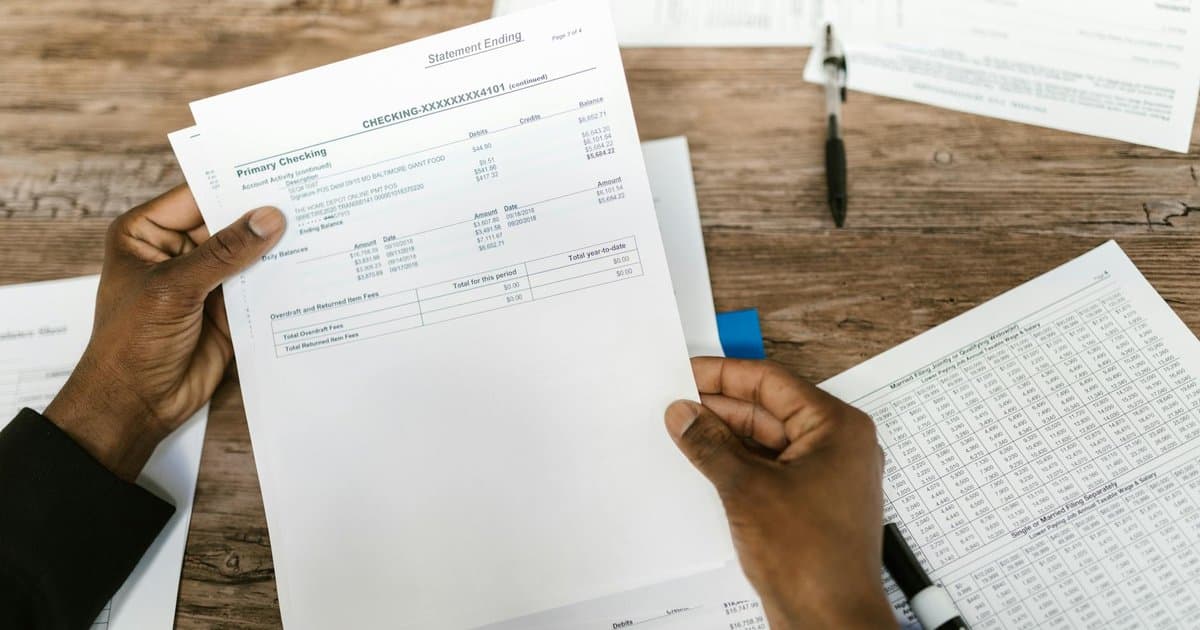
The bigger fix is a small buffer that lives in your checking account and never gets spent. Even 100 or 200 dollars sitting there as a floor changes everything, because it absorbs the timing gaps that trigger most overdrafts. Pair that with a separate savings account at an online bank paying real interest, and you build a second layer of protection. If your current bank still charges the old fees, vote with your feet. Plenty of online banks and credit unions now advertise no overdraft fees at all, and switching takes an afternoon. The point is not to feel guilty about a past fee. The point is to stop signing up for the next one. Pull up your last three months of statements tonight and add up what overdrafts actually cost you. Seeing the real number in one place is usually the push people need to act. Then make one change from this list before you close the app, because the fee only stops when you do something different.