Something changed in television and the shift happened so gradually that it is easy to underestimate how complete it is. The prestige drama used to mean a show that ran five, six, seven seasons. You built a world, you lived in it for years, you learned characters the way you know people in your own life. That model still exists. But the format that is actually dominating critical attention, streaming strategy, Emmy nominations, and major acting talent right now is the limited series: a story told completely in four to ten episodes with no season two planned.
The 2026 Emmy season is making this concrete. The Outstanding Limited Series category has become one of the most competitive fields in television, drawing directors and actors who spent the previous decade working almost exclusively in film. Names like Tessa Thompson are doing Netflix limited series, "His & Hers," about a former news anchor pulled back into a hometown murder investigation. Jason Bateman and David Harbour are in "DTF St. Louis," a dark suburban comedy that runs eight episodes and ends. The talent is there because the format allows something that a six-season commitment does not: full creative control of a complete story with a real ending.
The economics are also driving this. Streaming platforms have realized that a limited series can generate the same cultural conversation as a multi-season show while costing significantly less to produce and carrying much lower risk. When Netflix orders a multi-season drama, they are betting on years of ongoing production costs, cast availability, writer contracts, and the slow erosion of audience interest that comes with a show that runs too long. A limited series is a defined risk. You know what you are spending. You know when you are done. If it performs, you build goodwill and subscriber retention. If it does not, you move on without four more seasons of sunk cost behind you.
The narrative advantages of the format are real too, and writers talk about them openly. Removing the pressure to sustain a story indefinitely changes how you structure everything. Every episode can serve the ending, because the ending actually exists in the room when you are writing the first episode. Characters can develop and resolve in ways that feel earned because the writer is not trying to keep them interesting through an open-ended run. The limited series is closer to a very long film than it is to traditional television, which is exactly why film directors like this format and why audiences who have been trained by streaming to binge are so comfortable with it.
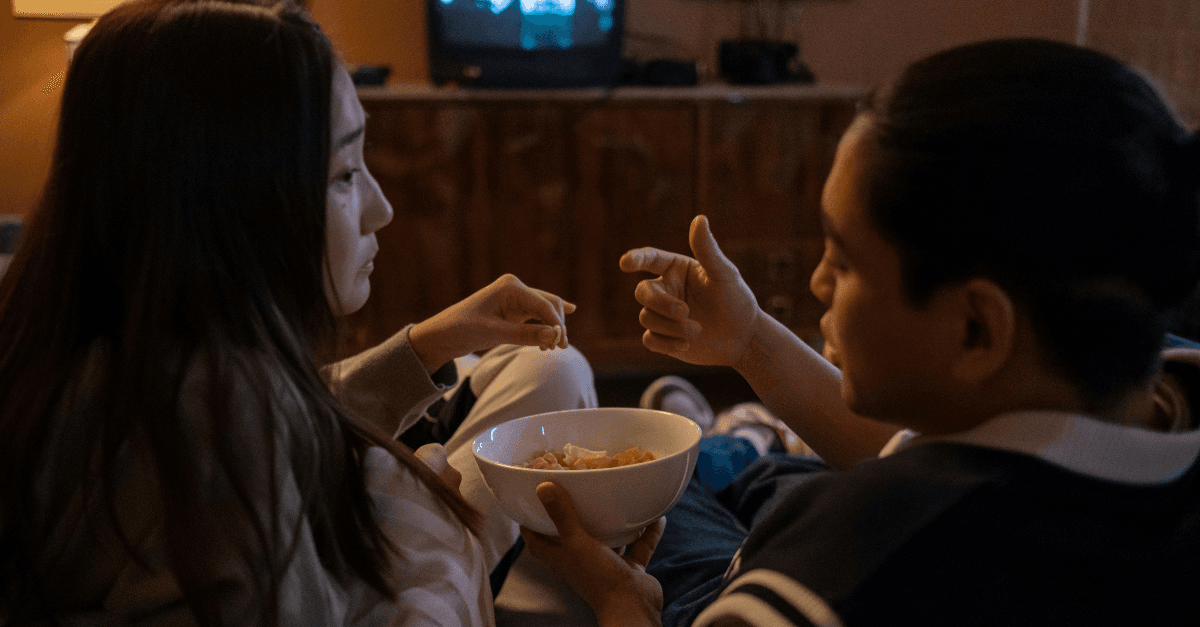
This has created a specific kind of viewing experience that feels different from either film or traditional television. You sit down with a limited series knowing you can finish the whole thing in two or three sessions. There is no waiting a year between seasons for the story to continue. There is no risk of the show getting canceled before it resolves. The investment you make as a viewer is bounded. That bounded quality turns out to be a selling point, not a limitation. Viewers in 2026 are managing more content options than at any prior point in media history, and a show that respects your time by having a clear endpoint has a real competitive advantage over one that asks you to commit to an indefinite relationship.
The actors benefit from this too in ways that were not obvious until recently. A limited series requires a complete character arc inside one season. That is a different kind of performance challenge than sustaining a character across years. It rewards intensity and precision. And because the story is finished before it airs, the actor is not waiting for writers to figure out where their character is going. The work is bounded, complete, and deliverable in a way that makes limited series attractive for major film actors who still want to work at the scale and depth that prestige television offers.
What this means for audiences who have not fully tuned into the pattern is that the television worth watching in 2026 is increasingly in this format. The conventional wisdom that a show needs multiple seasons to develop into something great has been reversed. The shows generating the most conversation, the most critical praise, and the most award season attention are the ones that arrive fully formed, tell their story completely, and leave before they overstay their welcome. That restraint is a creative virtue, and audiences have voted for it with their time and attention in ways that the streaming data makes impossible to ignore.
The multi-season drama is not dead. The best ongoing shows are still great. But the format is no longer the default assumption for what prestige television looks like. In 2026, the limited series has earned that position, and the evidence suggests it is not giving it up.