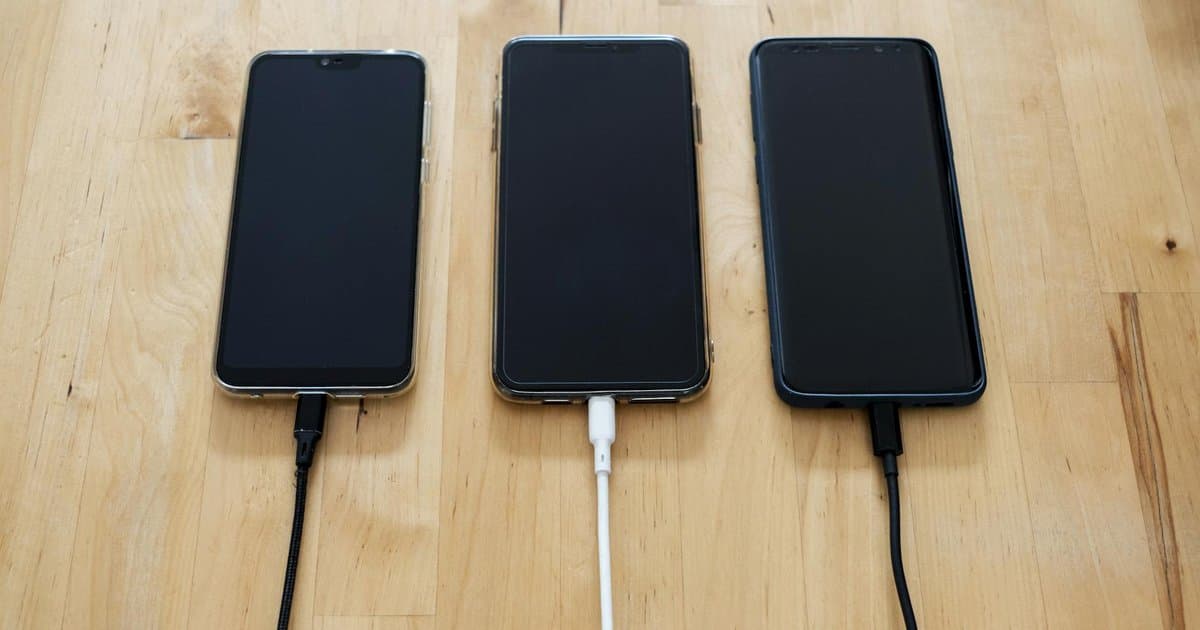
You remember when the phone was new. It lasted all day and still had charge to spare when you went to bed. Two years later, the same phone is begging for a charger by mid afternoon, and it feels like the thing betrayed you. It is not your imagination, and you did not do anything obviously wrong. The battery inside a phone is a consumable part, a little like tires on a car, and it wears down with normal use. The good news is that a handful of habits decide how fast that decline happens, and most of them are easy to change.
Almost every phone made today runs on a lithium-ion battery. It stores energy by moving charged particles back and forth between two layers inside a sealed cell. Every time you charge and discharge the phone, you put that cell through a small amount of wear. Manufacturers measure this in charge cycles, where one cycle equals a full charge worth of energy used, even if it came from several partial top ups. Most phone batteries are designed to hold around eighty percent of their original capacity after a few hundred full cycles, with newer models rated to last longer. After that point, the same full charge simply holds less power than it used to.
Heat is the single biggest enemy of a battery, and it gets blamed far less than it should. High temperatures speed up the chemical aging inside the cell, and that damage does not reverse. Charging your phone while playing a demanding game generates heat from two directions at once. Leaving the phone on a car dashboard in the sun, or under your pillow overnight, traps heat against it for hours. Even a tight case can hold warmth in during a long fast charge. If you want one rule to remember, it is to keep the phone cool, especially while it is charging.
How you manage the charge level matters almost as much as heat. Lithium-ion cells are happiest sitting somewhere in the middle of their range, not pinned at the extremes. Keeping the phone plugged in at one hundred percent for long stretches puts steady stress on the cell. Draining it all the way to zero on a regular basis does its own kind of harm. The sweet spot most battery researchers point to is roughly twenty to eighty percent for daily use. This is exactly why both major phone makers added features that learn your routine and hold the charge at eighty percent until just before you wake up.
Fast charging deserves a calmer take than it usually gets. Pushing a lot of power into a battery quickly does create more heat, and heat is the thing you are trying to avoid. Used every now and then when you are in a hurry, it is not going to ruin anything. Used as your only charging method, every day, it adds up over the years. A reasonable middle path is to fast charge when you actually need the speed and use a slower charger overnight or at your desk. Your battery will thank you for the slower sessions when it counts.
So what should you actually do with all of this. Try to keep the phone between twenty and eighty percent during normal days, and avoid leaving it at a full charge for hours on end. Turn on the optimized or adaptive charging setting if your phone offers one, because it does the hard part for you. Take the phone off the charger before a long gaming or video session if you can, and keep it out of hot cars and direct sun. None of these habits require an app or any money. They just slow the clock on a part that was always going to age.
It also helps to set honest expectations about what is happening. No habit will keep a battery at one hundred percent forever, because the chemistry only runs one direction. What good habits do is stretch the useful life from something like two years to something closer to three or four. When the day finally comes that the phone cannot make it to lunch, a battery replacement is often far cheaper than a new device. Many phones will run like new again on a fresh cell. Knowing that can save you a needless upgrade and a few hundred dollars.
The short version is that your battery is not broken, it is just older. Heat and extreme charge levels are what age it fastest, and you control both more than you think. Keep it cool, keep it in the middle of its range, and let the built in charging features help. Treat the battery like the wear part it is, and the phone will stay useful for a lot longer than it otherwise would.