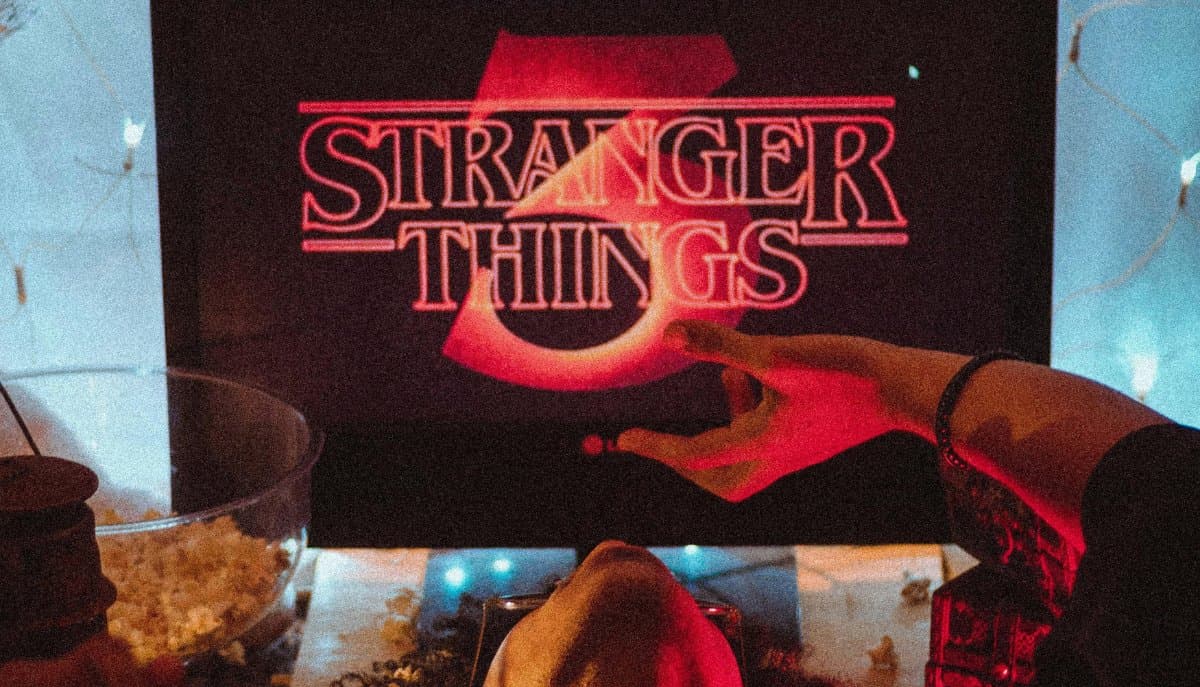
Thursday nights have become something. Two significant releases dropped simultaneously on April 23, and the pairing is worth thinking about beyond the individual shows because it captures something real about where prestige television has landed after a decade of transition. HBO released Half Man, headlined by Richard Gadd, the creator and star of Baby Reindeer. Netflix launched Stranger Things: Tales From '85, an animated drama series that extends the franchise in a direction most viewers did not anticipate. Both shows are premium bets on familiar talent and established worlds. Both are also something more than sequels or promotional exercises.
Start with Half Man. Richard Gadd earned global attention with Baby Reindeer, a show that was willing to be genuinely uncomfortable in its examination of obsession, abuse, and complicity. The series was not comfortable viewing. It was the kind of television that made people stop scrolling and actually watch, and then actually talk about it, which is the rarest thing in the streaming era. Gadd's follow-up on HBO signals several things at once. HBO chose him, which tells you about the network's appetite for work that prioritizes psychological honesty over palatability. Gadd chose to continue rather than retreat, which tells you something about his creative posture. What Half Man is specifically about is, appropriately, still emerging in real time as viewers engage with the premiere. But the framework it enters the conversation with, a limited series from a writer-performer with a demonstrated willingness to go to difficult places, is enough to warrant serious attention.
Netflix's decision to take Stranger Things into animation is a different kind of bet but no less significant. The Duffer Brothers' original series became one of the defining cultural artifacts of the streaming era, a show that demonstrated you could build genuine emotional investment in characters across a multi-season run if the writing and performance quality were there consistently. Tales From '85 is not a continuation of the main timeline. It is an animated drama that expands the world sideways rather than forward, allowing the franchise to do something with different characters and different visual grammar without requiring the core cast to commit to another full production cycle. If it works, it establishes a model for franchise extension that other IP-rich streamers will study carefully.
The broader context for both releases is important. The streaming landscape in 2026 is significantly more consolidated than it was three years ago. The era of growth-at-all-costs content spending, where platforms would greenlight almost anything with a recognizable name attached, is over. What has replaced it is a more disciplined approach to development where the projects that get made are the ones where the network or platform has genuine conviction. Half Man and Tales From '85 are both that kind of project. They are not content filling a release calendar. They are creative bets made by institutions that believe in what they are putting out.
For viewers, this consolidation is actually a quality improvement. The content glut that peaked around 2022 and 2023, when the sheer volume of available television outpaced anyone's ability to track it, has receded. The shows that are getting made and released now are, on average, more intentional. The average quality floor has risen because the average quantity has fallen. This is a trade most serious viewers would endorse without much debate.
The animated format in Tales From '85 also raises a question worth sitting with: what is the ceiling for animation as a prestige vehicle in the American market? Animation in prestige adult drama has traditionally faced resistance from audiences conditioned to associate the format with children's content, but that resistance has been eroding. Arcane on Netflix demonstrated that an animated series could generate the kind of critical and audience response traditionally reserved for live-action drama. Castlevania, Invincible, and a handful of other titles have built genuine adult fan communities. If Tales From '85 lands, it will accelerate a trend that is already underway and change the conversation about what kinds of stories are considered appropriate for the animated format.
Both releases also reflect something about the economics of franchise management in the streaming era. Original IP is difficult and expensive to develop. Established IP, when handled with craft and intentionality rather than as a promotional vehicle for merchandise, retains and extends audience relationships at lower developmental risk. The key variable is the word "intentional." Franchise extensions made primarily to monetize an existing brand without genuine creative ambition tend to erode the original property's value over time. The best franchise extensions add something that the original could not do in its own format. Tales From '85 is at least attempting that. Whether it succeeds is a question the first few episodes will begin to answer.
What Thursday night delivered was a reminder that television, however you watch it, is still capable of being an event rather than background content. Two networks, two different creative approaches, two different gambles on what the audience wants from premium storytelling. The conversation about which bet pays off is, for now, worth having.