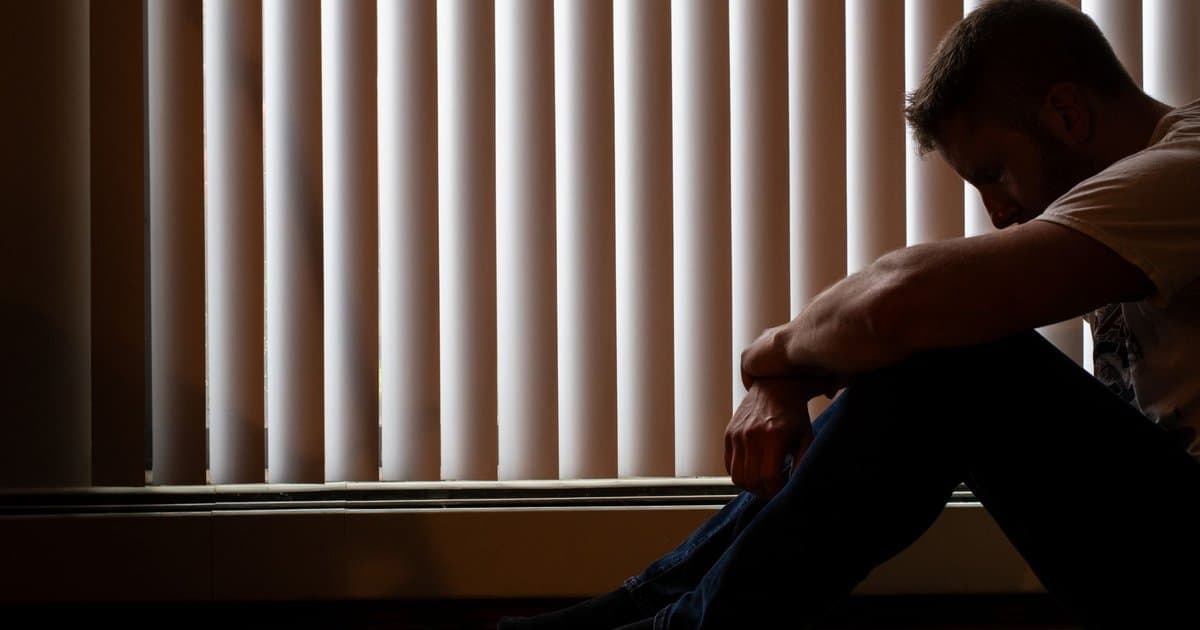
The most dangerous kind of exhaustion does not look exhausted. It shows up on time. It answers emails. It attends the meetings and nods in the right places. It produces work that is technically acceptable. What it does not do is care anymore, not really, not the way it used to. That is what researchers and therapists are calling quiet burnout, and in 2026, it has become one of the most significant mental health crises in the American workforce.
Spring Health published data this year showing that 76 percent of U.S. workers experience some level of burnout. Three quarters of the working population. That number alone should stop you. But what makes quiet burnout harder to address than the visible, collapsing version is that it is almost impossible to detect from the outside. Workers experiencing quiet burnout have not quit. They have not filed for leave. They have not called out. They are present in every technical sense of the word, running on emotional fumes while projecting something that looks close enough to engagement that no one notices until the person either implodes or quietly walks out the door.
The drivers of this version of burnout are distinct from what we typically think of when we picture someone burning out. AI anxiety has emerged as one of the fastest-growing workplace stressors heading into 2026. Workers are navigating rapid technological change without clear guidance, worrying simultaneously about whether their roles will exist in two years, whether they are using AI tools the right way, and whether they can keep pace with a workplace that seems to be evolving faster than any training program can address. That baseline anxiety does not look dramatic on its own. It looks like a person who is slightly quieter in meetings than they used to be, a little slower to volunteer for projects, a little more willing to let things slide.
Layer on top of that the broader economic pressure of the past two years. The Iran conflict has created genuine uncertainty about energy prices, supply chains, and hiring timelines. Tariffs have pushed costs up across multiple sectors. Companies that were still reabsorbing post-pandemic operational debt are now navigating another round of macroeconomic pressure. Workers feel that. Even when layoffs have not touched their department directly, the ambient threat of reorganization and the messaging around efficiency and AI integration communicates to employees that they are on uncertain ground. People stop investing emotionally in work when they do not feel the security to do so, and that emotional withdrawal is quiet burnout in its earliest stage.
What makes this moment particularly challenging for both workers and employers is that the traditional detection mechanisms are failing. Mental health leaves tied to burnout are rising nationally, but they often reflect people who have already hit their limit rather than those who are headed there. By the time someone files for leave, quiet burnout has typically been present for months. The visible crisis is the endpoint. What the research from Calm Health and Spring Health both point to is the need for a different kind of monitoring: regular, honest check-ins that go beyond productivity metrics, mental fitness conversations that happen before someone is in crisis, and workplace cultures where saying "I am running on empty" does not feel like a career risk.
Employers are responding, at least some of them. The 2026 trend in employee wellness benefits has shifted toward personalization: mental health coaching, dedicated mental fitness days, expanded employee assistance programs that workers can access before they reach a clinical threshold. These are improvements. But they exist inside workplace cultures that still reward long hours, constant availability, and output-first thinking. You cannot solve a structural problem with a wellness app alone. Quiet burnout persists because the conditions that create it persist.
For workers navigating this right now, the hardest part is identifying it in yourself. By definition, quiet burnout does not feel dramatic. It feels like mild detachment, like going through the motions, like caring a little less about work that used to genuinely engage you. If your relationship to your job has shifted from something you feel invested in to something you just get through, that is worth paying attention to. The pattern, left unaddressed, does not stay quiet forever. Burnout that is masked and untreated tends to eventually force a resolution, and it rarely happens on your terms when it does. The time to deal with it is before it gets loud.