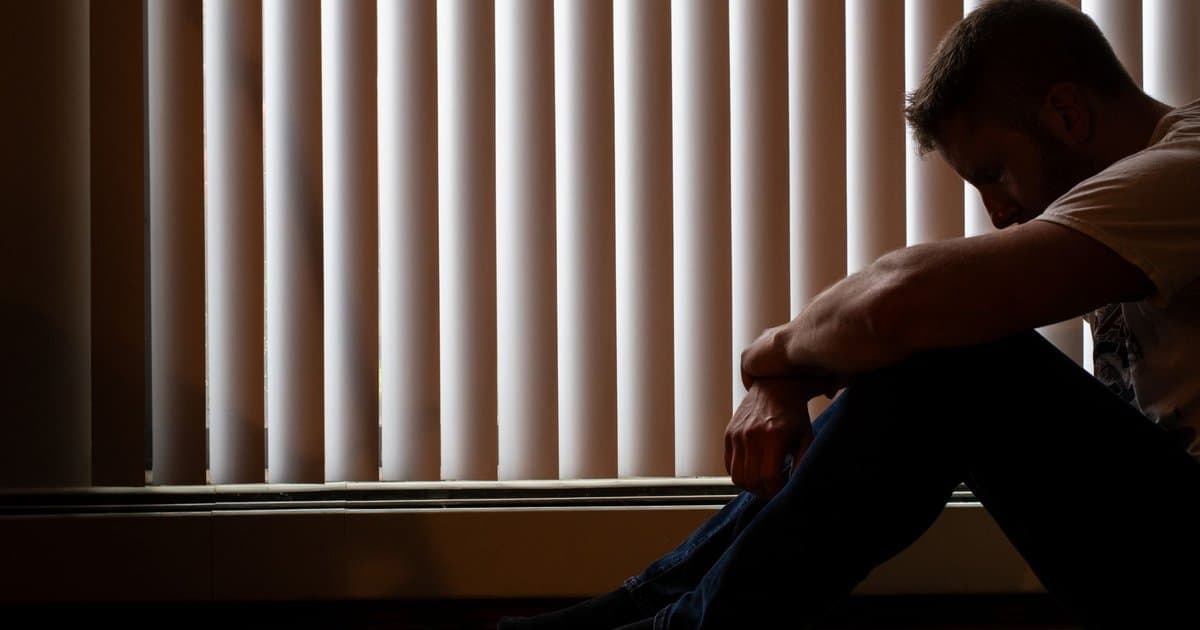
The 2026 workplace mental health conversation has a new term that did not exist in the corporate vocabulary 18 months ago. Silent burnout, defined by HR leaders as the chronic exhaustion that does not produce absenteeism but does produce disengagement, slow attrition, and a measurable drop in discretionary effort, is now estimated to affect 30 percent of employees in white-collar roles. The figure comes from the Spring Health 2026 workplace mental health benchmark report and is consistent with parallel data from Gallup, Mercer, and Calm Health. What makes silent burnout different from the traditional burnout pattern is that the person experiencing it keeps showing up. They hit deadlines. They send the right emails. They appear functional. The wear is internal and the consequences only become visible when the person finally quits, gets sick, or stops being able to perform at the level their role requires.
The conditions that produce silent burnout are different from the conditions that produced the burnout patterns of the early 2020s. The pandemic-era burnout was driven by overwork during a crisis with no clear endpoint. Silent burnout is driven by the gap between the energy required to maintain a high-performance professional identity and the actual recovery resources available in the person's life. People who have been at the same level of intensity for three to five years without meaningful recovery between high-pressure quarters end up running on credit. The body and mind keep producing because the person is conscientious and capable. The cost is paid quietly in sleep quality, relationship strain, eroding physical health, and the slow loss of interest in things that previously mattered.
The data on who is most affected is consistent across multiple surveys. Knowledge workers in the 28 to 45 age range are the largest demographic. Black professionals across all industries report higher rates of silent burnout than the workforce average, which the research attributes to the additional cognitive load of code-switching and racial workplace stress. Neurodivergent professionals, particularly those who mask their ADHD, autism, or sensory sensitivities at work, report some of the highest rates. Mid-career parents of school-age children are another concentrated group. The pattern is consistent. Silent burnout hits people who appear most capable of handling the load.
The financial consequences for employers are real and getting worse. Mercer's 2026 Health and Benefits Strategies report estimates that silent burnout costs US employers $172 billion annually in lost productivity, voluntary turnover, and increased healthcare claims. Voluntary turnover among silently burned-out employees is 2.7 times higher than turnover among engaged employees, and the average cost of replacing a mid-level professional now runs 1.5 to 2 times annual salary when you include recruiting, onboarding, and ramp-up time. Healthcare claims for stress-related conditions, including stress-induced gastrointestinal issues, sleep disorders, anxiety, and cardiovascular events, are running 22 percent higher than three years ago.
Companies that have started addressing silent burnout effectively share a few common practices. The first is treating recovery time as a strategic asset rather than a perk. Mandatory PTO policies, where employees must take a minimum of four consecutive workdays off twice per year, have produced measurable engagement improvements at companies including Salesforce, Patagonia, and Hilton. The second is reducing meeting load. Companies that cut their average meeting hours by 20 percent without reducing project output report higher engagement scores within two quarters. The third is making mental health benefits actually usable. Most companies offer EAPs that fewer than 8 percent of employees ever use, often because the access process is friction-heavy or the available providers cannot offer appointments within reasonable timeframes. Companies that switched to platforms like Lyra, Spring Health, or Modern Health and made the access process two clicks have seen utilization climb to 28 percent or higher.
For employees noticing the pattern in themselves, the practical interventions are not glamorous. Sleep is the first lever. Most adults experiencing silent burnout are running on fewer than seven hours of consistent sleep, and adding one hour per night for three months produces meaningful changes in mood, cognitive function, and physical recovery. Movement is the second lever. The research on exercise as an antidepressant intervention is now strong enough that primary care physicians prescribe it as first-line treatment for moderate depression. Twenty-five to thirty minutes of moderate cardiovascular work, four times per week, produces effects comparable to SSRIs in mild to moderate cases. Social connection is the third lever. People in chronic burnout patterns often pull away from the relationships that would actually help them, and reversing that pattern requires intentional scheduling of low-effort social contact.
The hardest piece is the work itself. Some silent burnout is a signal that the job has become a poor fit. Some is a signal that the workload is unsustainable. Some is a signal that the person needs different boundaries inside the same job. Knowing which version is true requires honest reflection that most people in the middle of the pattern are too tired to do alone, which is why the research consistently shows therapy as the most effective intervention.
Naming the pattern is the first step. The next step is changing what produced it.