For about a decade, men's fashion was largely legible through a single vocabulary: oversized streetwear, logo-heavy pieces, sneaker culture, and a general posture of studied nonchalance. That vocabulary was not wrong. It reflected something real about how younger men wanted to move through the world, with comfort as a priority and brand affiliation as communication. But Spring Summer 2026 menswear collections, both from European fashion weeks and in what is actually selling through to consumers, signal that vocabulary is shifting. Not disappearing, but no longer dominating.
The key silhouette for SS26 is soft and structured at the same time. Flared denim is back, not in the exaggerated way of the 1970s but as a relaxed, longer cut that replaces the ultra-slim jeans that dominated men's wardrobes for years. Tailored trousers with relaxed pleats have become genuinely fashionable rather than just functional, and the rise of what some are calling "liquid trousers" refers to flowing, high-quality fabric that drapes well and moves. The effect is a man who looks dressed but not stiff, which is a specific aesthetic achievement that streetwear could not quite pull off because its entire point was the opposite of dressed.
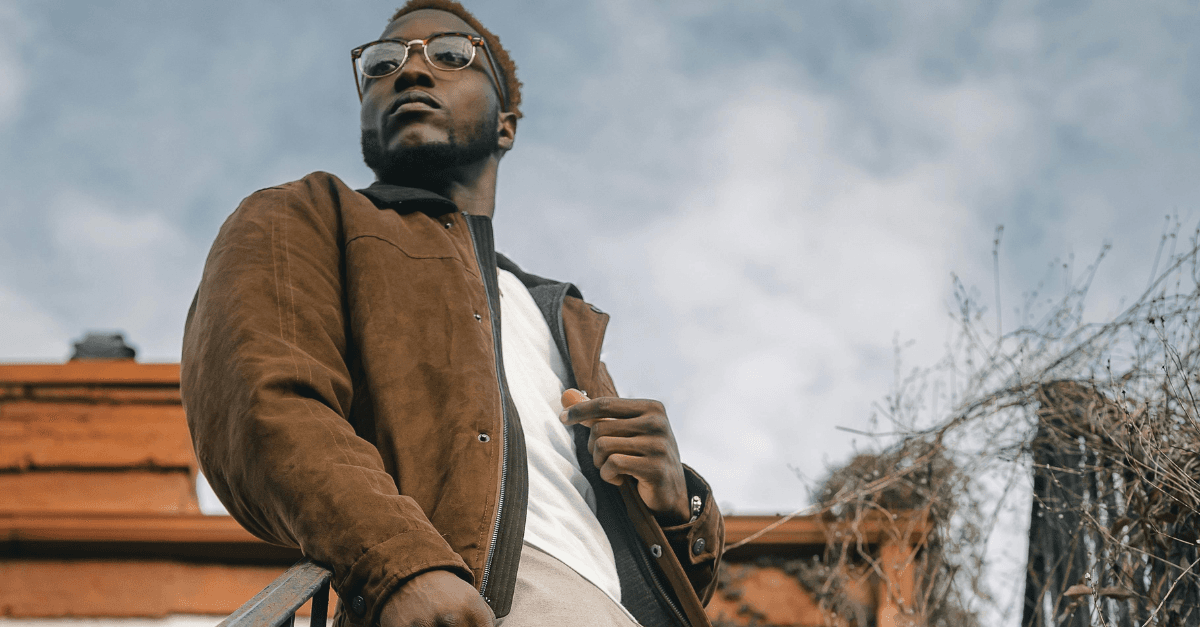
Suede is the material moment of the season. Suede accessories, particularly footwear and outerwear, have moved from occasional accent to consistent recommendation across multiple trend reports. The texture reads as quality without announcing it loudly, which is fitting for a broader shift in menswear away from visible branding and toward fabric and construction as the primary signals. Embroidery is another detail gaining ground, showing up on jackets, shirts, and suits in ways that add depth and individuality without requiring a logo to do the communicating. Both of these choices reflect a more personal, less uniform approach to dressing that contrasts directly with the standardization of the streetwear era.
The tie is back, specifically in casual contexts. SS26 collections have been pairing neckwear with oversized T-shirts, relaxed trousers, and low-key sneakers in a way that reads as intentional rather than ironic. The tie functions as a character accessory in these combinations, something that says this person is interested in dressing rather than just wearing clothes. It is a small thing but it signals a larger shift: men who are paying attention to fashion right now are looking for individual expression rather than category membership. Streetwear culture, for all its creativity, eventually became a uniform. The reaction to that is individuality, and the tie is one specific expression of it.
The chunky knit polo is worth noting separately because it combines two things that have both individually been present in menswear for years, the preppy polo and the statement knit, into something that is genuinely of this moment. It pairs well with the pleat-front trousers and light footwear that define the rest of the SS26 direction. It is also a practical piece, comfortable, versatile, and appropriate across a range of social contexts, which is why it has moved from runway concept to actual consumer behavior quickly.
What this all adds up to is a generation of men who are interested in dressing again, not performing a brand, but actually thinking about how clothes fit and what they communicate. The decade of streetwear gave men permission to be interested in what they wear without it being considered excessive. The shift happening in SS26 takes that permission and points it toward craft, fabric, and personal style rather than brand identity. That is a healthy direction for the category, and it opens up a more interesting range of options for men who have been waiting for something to wear besides the same rotation of hoodies and cargo pants.