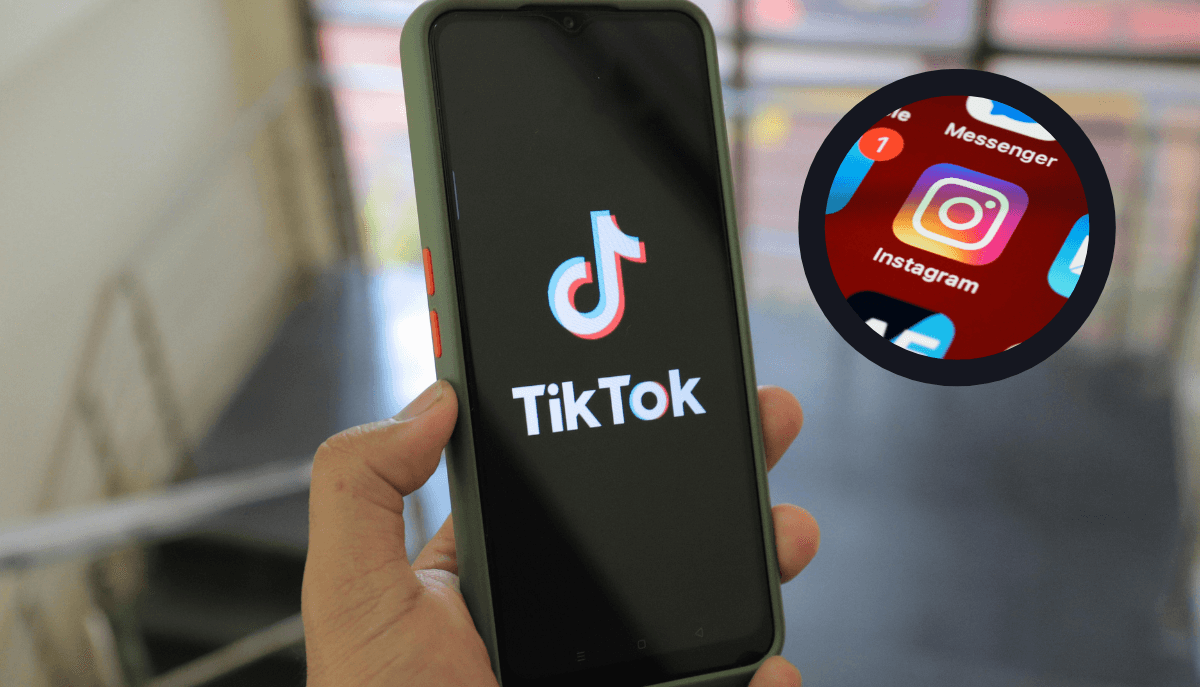
A survey from 2026 found that 40 percent of Gen Z uses TikTok as their primary search engine for everyday questions. Not YouTube, not Google, not Reddit. TikTok. When they want a restaurant recommendation, a product review, a tutorial, or an opinion on something in the news, their first move is to search TikTok's video library. Instagram has picked up the same pattern, especially in visual categories like fashion, home design, travel, and food. Pinterest, which built its entire platform around discovery and aspiration, reported a 34 percent increase in search queries year over year as younger users returned specifically for inspiration-based searching. Google is not going anywhere as a company or a business, but for a meaningful and growing portion of the under-30 population, it is no longer the first stop.
The advertising industry has been adjusting to this for the past 18 months, and social search optimization has emerged as a distinct discipline from traditional SEO. They share some DNA but they are not the same thing. Traditional SEO optimizes for how a web crawler indexes written content. Social search optimization is about whether a video or post surfaces when someone types a specific phrase into TikTok or Instagram's search bar. The signals that determine ranking in social search include keyword presence in captions and on-screen text, watch-through rate, save behavior, comment activity, and recency. A video that ranks well in social search tends to be slightly more direct and informational than one optimized purely for algorithmic discovery.
Here is where it gets practically important for creators building a business. Search-optimized social content and algorithm-optimized social content serve different functions and require different production approaches. Algorithm-optimized content is designed to surface in the For You Page or Explore feed, which means it prioritizes the hook, the pattern interrupt, and the emotional trigger that gets someone to stop scrolling. Search-optimized content is designed to answer a specific question better than anything else that shows up for that query, which means it prioritizes clarity, completeness, and credibility. A creator building a durable business in 2026 needs both, not because they are the same skill but because they serve two different ways an audience can find the same body of work.
The deeper implication is that social search creates a different kind of discoverability that favors consistency and clarity over virality. A creator whose videos regularly surface in search for a specific set of queries builds a different kind of audience than one whose strategy is based on going viral periodically and hoping the algorithm catches new followers. Search-discovered viewers are higher intent. They came looking for something specific, found it, and chose to watch. That translates to higher save rates, better comment quality, stronger conversion on affiliate links or product recommendations, and longer average watch time. The business metrics downstream of search discovery are better than the business metrics downstream of algorithmic feed discovery in almost every category that actually generates revenue.
The platform risk component of this conversation is real and worth being honest about. TikTok's regulatory situation in the United States remains unresolved, and the possibility of restrictions or a forced sale remains on the table. Building a search-optimized presence on TikTok alone is a bet on regulatory stability that does not have great odds. The smarter move is to build search-discoverable content across at least two platforms, with YouTube being the most structurally stable option given its ownership and its own robust search infrastructure as a Google product. A creator who understands search strategy and applies it consistently on both TikTok and YouTube has built something that persists across platform disruptions. That is the actual asset. The specific platform is just where the asset currently lives.
---