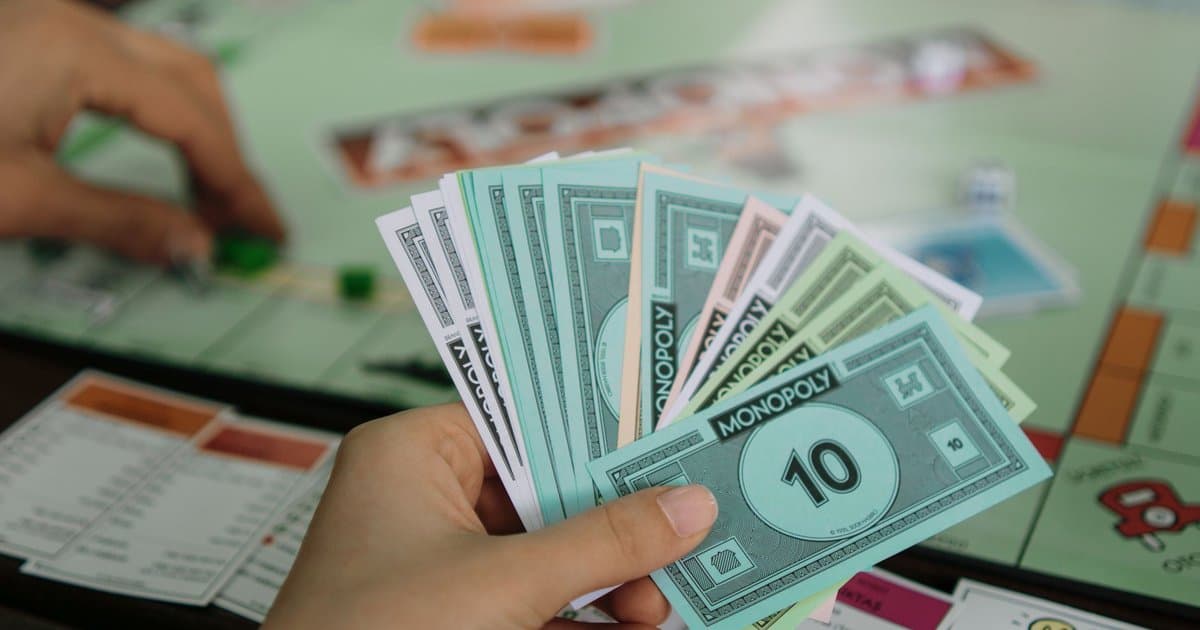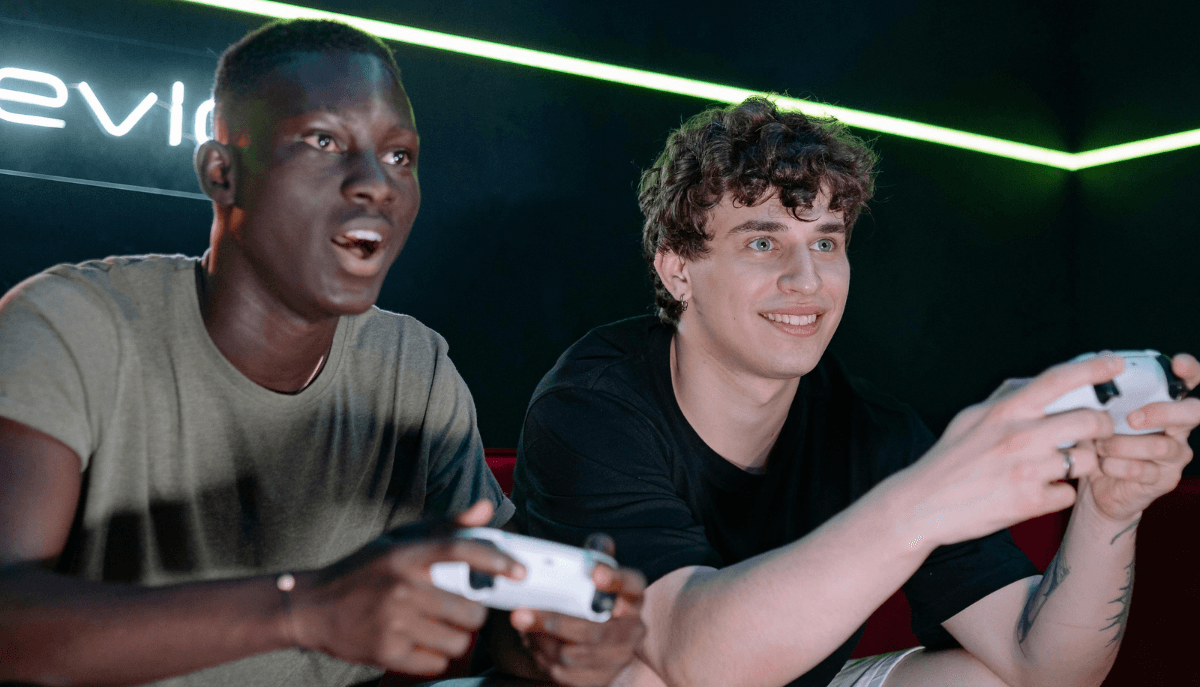
There was a moment, not that long ago, when gaming's mainstream ambitions felt slightly desperate. The industry wanted cultural legitimacy and kept making moves designed to earn it: celebrity endorsements, Super Bowl ads, aggressive esports league buildouts, partnerships with luxury brands that felt forced because they were. Gaming was trying to convince a culture that had not yet decided whether to take it seriously. That period is over. Gaming is mainstream in 2026 in a way that does not require anyone's permission, and the more interesting question now is what the industry actually does with that position.
The crossover is real and it runs in multiple directions. Pop culture and online play are reshaping gaming enthusiasm among casual audiences who do not identify as gamers in any traditional sense but who are playing games regularly, watching gaming content, and participating in gaming-adjacent communities. The streamer economy created a generation of people who consume gaming as entertainment without necessarily playing at any serious level. The emergence of competitive games with accessible entry points, battle royales, mobile titles, and social games with low skill floors, brought millions of players in who would have bounced off the genre twenty years ago. The result is a gaming population that is larger, more diverse, and more casual than any previous generation of players.
This is genuinely good news for the industry's size and economic potential. It is a more complicated story for its culture. The hardcore gaming community that built the infrastructure of gaming culture, the enthusiast press, the speedrunning communities, the competitive ladders, the modding scene, has always had a complicated relationship with mainstream adoption. On one hand, mainstream attention brings resources, development budgets, and the cultural credibility that turns gaming into a conversation partner with film, music, and television. On the other hand, mainstream audiences and hardcore audiences want different things from games, and building products that serve both without alienating either is genuinely difficult.
The esports sector is where this tension is most visible in 2026. The esports bubble that inflated rapidly in the late 2010s and early 2020s, built on the assumption that competitive gaming would scale to traditional sports viewership numbers, has deflated significantly. The leagues that were structured around expensive team slots and broadcast rights deals have faced financial pressure as the viewership numbers did not materialize at the scale investors projected. But the underlying competitive gaming scene is healthier than the esports business model implosion suggests. Individual tournaments, creator-driven competitive events, and game-specific ranked communities are producing genuine competition and genuine viewership without the overhead of the franchise league structure that struggled.
The brand sponsorship landscape around gaming reflects both the opportunity and the awkwardness of mainstream crossover. Major non-endemic brands, car manufacturers, fast food companies, financial services providers, have been increasing their presence in gaming spaces for several years. In 2026, the question is no longer whether mainstream brands belong in gaming but whether they understand the audience well enough to be there credibly. Gaming audiences are notably skilled at detecting inauthenticity in brand behavior within their communities, and brands that parachute in with generic creative that could apply to any youth audience get treated accordingly. The brands succeeding in gaming are the ones who have developed genuine presence in specific games and communities over time rather than buying logo placement on a tournament main stage.
The streamer economy continues to be the most dynamic and fastest-changing part of the gaming ecosystem. The model of individual content creators building massive audiences around their gaming personalities has matured significantly. The top tier of gaming creators are now running genuine media businesses, with production teams, brand partnerships, merchandise, and live event components. Below the top tier, the creator landscape is more competitive and more fragmented than ever, with algorithmic changes on platforms like YouTube and Twitch continuously reshaping the conditions for audience discovery. The question for mid-tier and emerging gaming creators is less about gaming skill than about content identity: what specifically do they offer that cannot be found from the thousand other people streaming the same game.
The hardware cycle in 2026 is worth noting because it shapes what the industry produces. The current console generation is several years into its lifecycle, which historically is the period when developers are most comfortable with the hardware and the most ambitious games of the generation tend to emerge. The competitive pressure from mobile gaming and cloud gaming services continues to reshape the PC and console market's assumptions about how people access games. The player who games primarily on a phone is a different customer than the one who built a gaming PC last year, and the industry is actively working out what it owes each of them.
Gaming went mainstream. The cultural work of figuring out what that means, who it is for, what the experience should be, and how the community balances its roots with its broader reach, is the industry's central challenge for the next decade. It is a good problem to have. It is still a hard one.