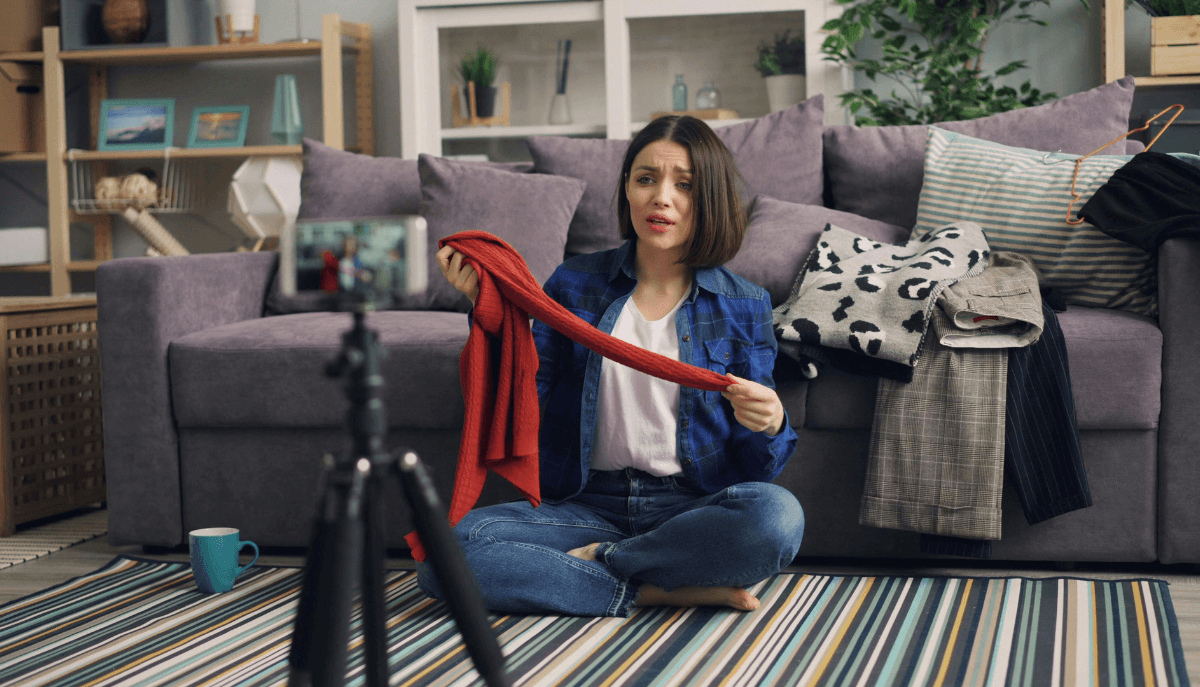
Something has shifted in the creator economy and it is showing up in the content itself. A growing segment of creators across Instagram, TikTok, and YouTube are producing content specifically designed to tell their audiences what not to buy. They call it de-influencing. They are reviewing products and declaring them overhyped. They are breaking down why the thing everyone told you to get is not worth the price. They are being honest about what actually does and does not work, and their audiences are rewarding that honesty with engagement numbers that rival anything aspirational content was producing two years ago.
De-influencing is not new as a concept. Creators have been pushing back on overconsumption messaging for years in small pockets of the wellness, finance, and minimalism communities. What is new is the scale. In 2026, de-influencing content is no longer a niche counter-cultural signal. It is a mainstream content strategy with a measurable audience and a specific economic profile, and it is creating real problems for the brands that built their marketing budgets around the assumption that creator promotion would continue to deliver the conversion rates it generated in 2020 and 2021.
The reasons behind the shift are not complicated. The cost of living has not meaningfully improved for the median consumer over the past two years. Rent is high. Groceries are expensive. Tariffs have pushed appliance and electronics prices upward. In that environment, content telling people to buy more things, and specifically to buy aspirational lifestyle products at premium price points, has lost its persuasive footing. The audience watching a skincare creator talk about a $200 serum is doing a different calculation than they were three years ago. They are asking whether they need it, whether it works better than the drugstore alternative, and whether the creator recommending it has actually used it or is being paid to appear enthusiastic. De-influencers are answering those questions directly, and the answer is frequently no.
Trust is the core issue. A decade of influencer marketing created a specific kind of credibility problem for the creator economy. When every creator is recommending everything and being compensated for doing so, the recommendation loses its signal value. Audiences learned, slowly and then all at once, to read sponsored content not as a peer recommendation but as advertising wearing a familiar face. The backlash was inevitable. What the de-influencing movement represents is the market correcting for a trust deficit that built up over years of promotional content that was not honest enough to be useful.
For brands, this creates a specific strategic problem. The playbook that worked for the past decade, seed product to a wide creator network, coordinate promotional windows, track affiliate link conversions, is less effective against an audience that is actively skeptical of promotional intent. The creators who are growing fastest in 2026 are the ones with earned credibility, and earned credibility requires a track record of being honest even when being honest costs a partnership. A creator who has gone on record saying a product does not work has more credibility when they say the next product does. That credibility has real commercial value, but it requires a different kind of brand relationship than most marketing teams are structured to manage.
The implications for brand deal economics are already visible. Flat-rate sponsorship deals are under more scrutiny from creators who have built de-influencing reputations and need to be selective about what they publicly endorse. Performance-based partnerships where payment ties to actual conversion rather than impression count are being renegotiated. Some creators are declining partnerships entirely in categories where their audience's trust is too valuable to risk. These are not fringe decisions. They are market signals about where creator monetization is moving.
The consumer psychology driving this shift matters beyond the creator economy specifically. Audiences in 2026 are doing more research before they buy. They are checking Reddit threads, watching multiple review videos from creators without brand relationships, and reading comment sections looking for consensus rather than single testimonials. The information environment around purchase decisions has never been richer or more skeptical. De-influencing content serves that audience at the exact moment they are open to it: when they are trying to figure out if something is worth buying and they want someone who will tell them the truth.
What this means for the creator economy over the next two to three years is a structural shift toward authenticity as a competitive advantage rather than a personality trait. The creators who will command the largest audiences and the most durable monetization models are the ones whose audiences believe them, not just like them. That is a meaningfully different standard than what the influencer era was optimizing for, and the brands willing to adapt their partnership models to it will find a more credible, more durable marketing channel than the one they are currently managing.
De-influencing is not the end of creator marketing. It is a correction that makes it better. The creators who understand that are already building something more valuable than a following.