For the better part of two decades, the dominant story about faith in America has been departure. Young people leaving the church. Mainline denominations shrinking. Evangelical attendance declining. Every study that came out seemed to add another data point to the same narrative. And then something started shifting, quietly and without a lot of fanfare, particularly among young men. The shift is still early and unevenly distributed, but it is real enough that researchers and pastors across different traditions are noticing the same pattern.
The numbers are not dramatic by any stretch. Nobody is claiming a revival in the traditional sense. But surveys tracking religious engagement among men under 35 have shown a measurable uptick in weekly attendance, small group participation, and self-reported spiritual interest over the last two to three years. What makes this interesting is the context in which it is happening. The same period has seen a broader cultural conversation about male loneliness, mental health, identity, and the search for purpose that does not come from productivity metrics or career outcomes. For some men, the church has started answering questions that other institutions have stopped asking.
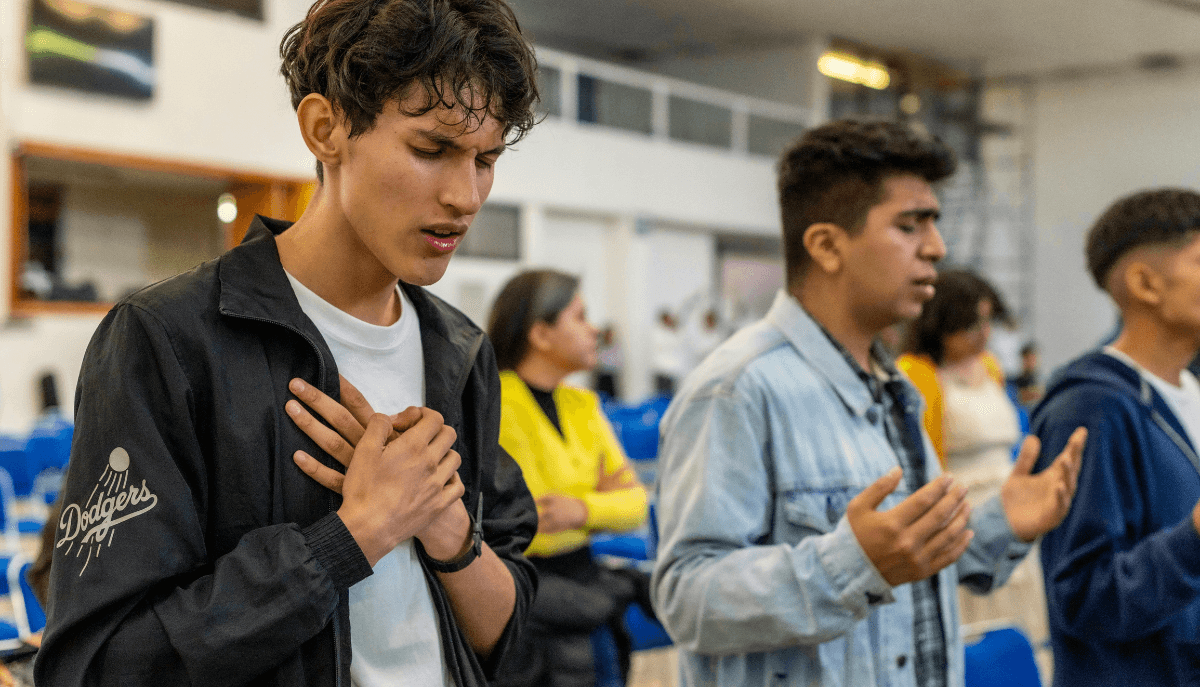
Part of what is drawing young men back is community in its most basic form. Gyms, barbershops, and sports leagues have always been social infrastructure for men, but they do not typically deal in meaning. The church, at its best, offers belonging that is connected to something larger than social convenience. Men who grew up loosely affiliated with faith and drifted away in their twenties are reporting that the loneliness and directionlessness they feel in their late twenties and thirties is pushing them to look in places they had written off. That includes walking into churches they were never particularly committed to before.
There is also a masculinity conversation happening inside the church itself that is different in tone from either the hypermasculine mega-church programming of the 2000s or the soft therapeutic language that became common in progressive congregations afterward. Some pastors are having straightforward conversations about discipline, integrity, fatherhood, and what it means to be a man who is present to the people in his life. These conversations are not politically charged in the way public discourse often frames them. They are pastoral. And for men who are tired of the culture war framing on both sides, a direct conversation about character and responsibility can land differently than a sermon designed to be inoffensive to everyone.
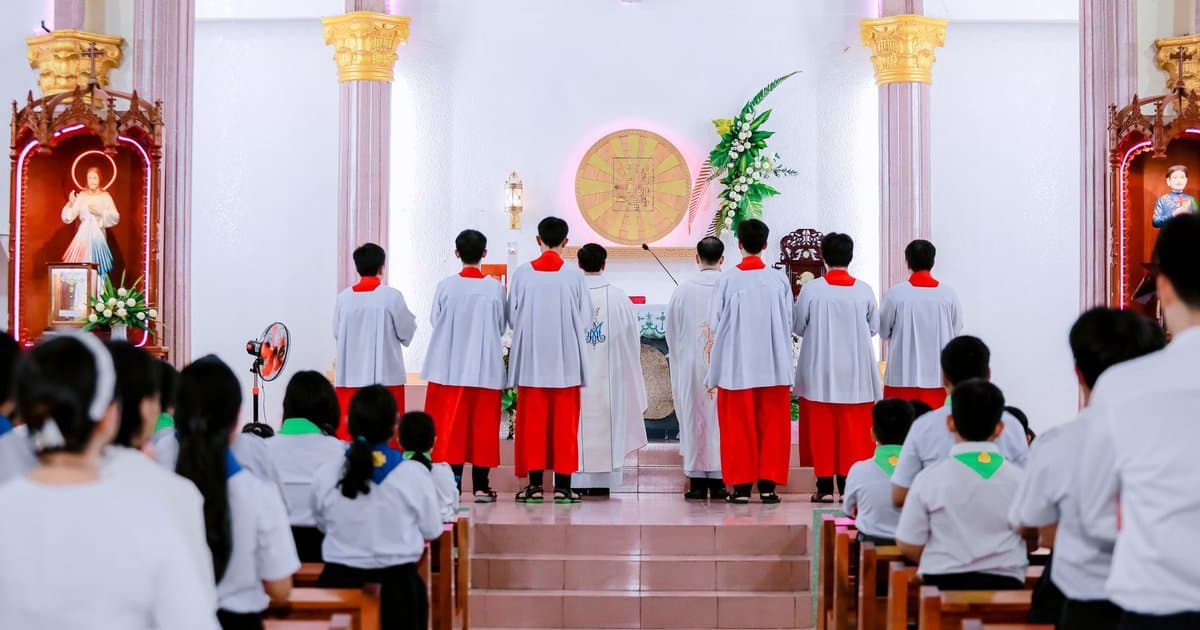
The trend is not uniform across denominations or geography. Catholic churches have seen some of the sharpest increases in male catechism inquiries, particularly among men in their late twenties and early thirties. Eastern Orthodox parishes, which are small in number but concentrated in certain cities, have reported significant male interest that began in earnest around 2023 and has continued. Some evangelical churches in the South and Midwest are telling similar stories. The through line across traditions seems to be communities that take theology seriously, maintain clear expectations for membership, and actually require something of the people who show up.
What does not appear to be driving it is nostalgia or political alignment. Many of the young men returning to church are not doing so because of a conservative cultural moment. They are doing so because they tried building their lives around other things and found those things insufficient. That is a personal and often quiet process. It does not make headlines. It shows up in attendance sheets and baptism records and conversations between pastors who compare notes. The cultural noise around religion right now is loud enough that the actual spiritual movement can be hard to see.
The long-term significance of this shift depends on whether the men who return stay engaged or eventually drift again. That question depends less on programming and marketing than it does on whether the communities they enter are doing the real work of discipleship. Retention has always been the harder problem than attraction. Men who walk through a church door after years away have typically made a deliberate decision to do so. Whether the community they find is worth staying for is a question that gets answered slowly, over years, through relationships and transformation. The numbers showing up are a starting point. What happens after is the story that matters most.
For faith communities paying attention, the opportunity right now is not to capitalize on a cultural moment. It is to be the kind of place that men who are genuinely searching actually find worth their time. That has always been the call. It just has a new and unexpected audience showing up to see if anyone is living it.