For the better part of four years, Sun Belt housing markets operated under one simple rule: if you owned property, you were winning. Prices climbed relentlessly. Inventory was razor-thin. Multiple-offer situations were the norm, not the exception. Buyers waived inspections, offered above asking, and still lost out to cash offers from investors and relocators pouring in from California, New York, and the Midwest. That era is ending. Data from Redfin, Realtor.com, and local MLS systems across Texas, Florida, Georgia, and Tennessee show a clear and accelerating shift toward buyer-favorable conditions that has been building for months and is now impossible to ignore.
In the Dallas-Fort Worth metroplex, active listings rose 27 percent year-over-year in March 2026. Median days on market climbed from 38 to 52. Price reductions as a percentage of total listings hit 23 percent, the highest level since 2019. The median sale price in DFW dropped 2.1 percent from a year ago, settling around $389,000. In Austin, the correction has been even sharper. The median home price peaked at $616,000 in early 2024 and has since fallen to approximately $475,000, a decline of nearly 23 percent. Inventory in Austin has more than tripled from its pandemic lows, and builders are offering concessions, rate buydowns, and closing cost credits that would have been unthinkable two years ago.
Florida is experiencing a similar recalibration. In Tampa, Jacksonville, and Orlando, active inventory has surged past pre-pandemic levels. Insurance costs in Florida have become a significant factor driving the shift. The average annual homeowner's insurance premium in Florida now exceeds $6,000, roughly three times the national average. Property insurance companies have pulled out of the state, new policies come with higher deductibles and fewer protections, and buyers are factoring those costs into their purchase math in ways that reduce what they are willing to pay for the house itself. When your annual insurance bill adds $500 a month to your housing cost, a home priced at $400,000 effectively feels like a home priced at $460,000 in any other state. That math is cooling demand in a way that interest rates alone did not.
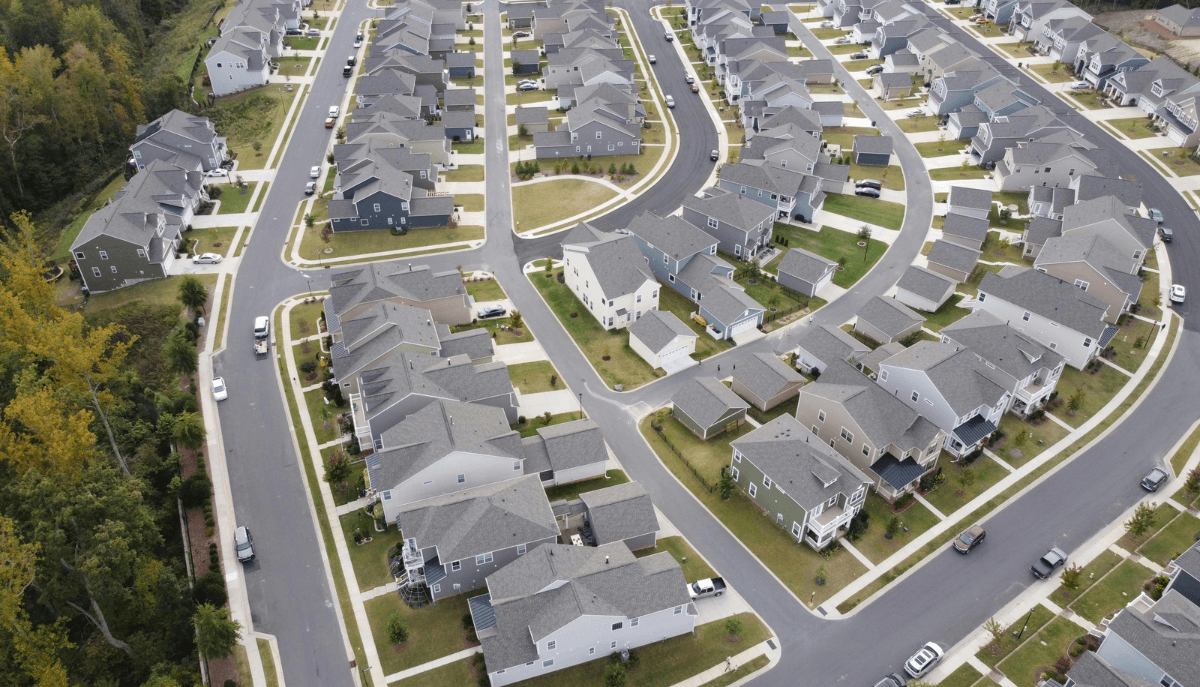
The supply side of the equation is equally important. During the pandemic building boom, homebuilders in Sun Belt states ramped up production to meet what felt like bottomless demand. Texas, Florida, and Georgia collectively permitted more new housing units between 2021 and 2024 than at any point in the previous 15 years. Those units are now hitting the market at the same time that demand is softening. The result is a supply glut in several metro areas that is putting downward pressure on both new construction and resale prices. Builders who overbuilt are now competing with each other and with existing homeowners trying to sell, creating a dynamic where buyers have more choices and more negotiating power than they have had since before the pandemic.
For buyers, this is the opportunity that many have been waiting for, but it comes with important caveats. Mortgage rates are not cooperating. The average 30-year fixed rate is hovering around 6.5 percent, pushed higher by the Iran conflict's impact on oil prices, inflation expectations, and the Federal Reserve's reluctance to cut rates while price pressures persist. That means monthly payments are still elevated even as home prices come down. A $380,000 home at 6.5 percent costs roughly $2,400 a month in principal and interest alone, before taxes, insurance, and maintenance. The price decline helps, but it does not fully offset the rate environment. Buyers who can lock in a below-market rate through builder incentives, employer programs, or credit union partnerships will capture the most value in this window.
For sellers, the adjustment requires a real change in mindset. Properties that would have sold in a weekend with multiple offers in 2022 are now sitting for six to eight weeks and getting price-reduced. Overpricing is being punished far more aggressively than it was a year ago. Homes that are priced correctly and show well are still moving, but the margin for error has shrunk considerably. If your home has been on the market for more than 30 days without serious interest, the market is telling you something, and the answer is almost always price, not marketing.
The broader lesson here is one that real estate investors and homeowners are often slow to internalize: housing markets are cyclical. The pandemic-era price explosion was driven by historically unique conditions, low rates, remote work migration, stimulus cash, and constrained supply. As each of those factors reverses, the markets that benefited the most are correcting the most. That does not mean Sun Belt real estate is a bad investment. Population growth in Texas, Florida, and Tennessee remains strong, and long-term fundamentals are solid. But the days of buying anything in a Sun Belt zip code and watching it appreciate 15 percent a year are over. This is a market that now rewards homework, patience, and discipline over enthusiasm.