Pickleball is not a novelty anymore. It is a mass participation sport with a growth curve that has quietly passed tennis, closed in on golf, and is now within striking distance of basketball by number of weekly active players in the United States. The 2026 Sports and Fitness Industry Association participation report, released in early April, showed that weekly pickleball participation reached 19.8 million Americans in 2025 and is on pace to exceed 24 million in 2026 based on first quarter facility data and league signups. For context, weekly tennis participation sits at roughly 9 million. Golf is around 14 million. Basketball still leads informal sports at 25 million weekly participants, though its gap to pickleball has narrowed every year since 2021.
The reasons behind the growth are specific. Pickleball has a very low barrier to entry. The paddles cost less than most tennis racquets. The ball is simpler than a tennis ball. The court is smaller, which makes the game accessible to players with limited lateral mobility. The rules are easier to learn. A first-time player can be in a competitive volley within fifteen minutes of picking up a paddle. That combination of low equipment cost, short learning curve, and high immediate reward is unusual in racquet sports. Tennis and golf both require significant time investment before a player experiences satisfying gameplay. Pickleball rewards the first swing.
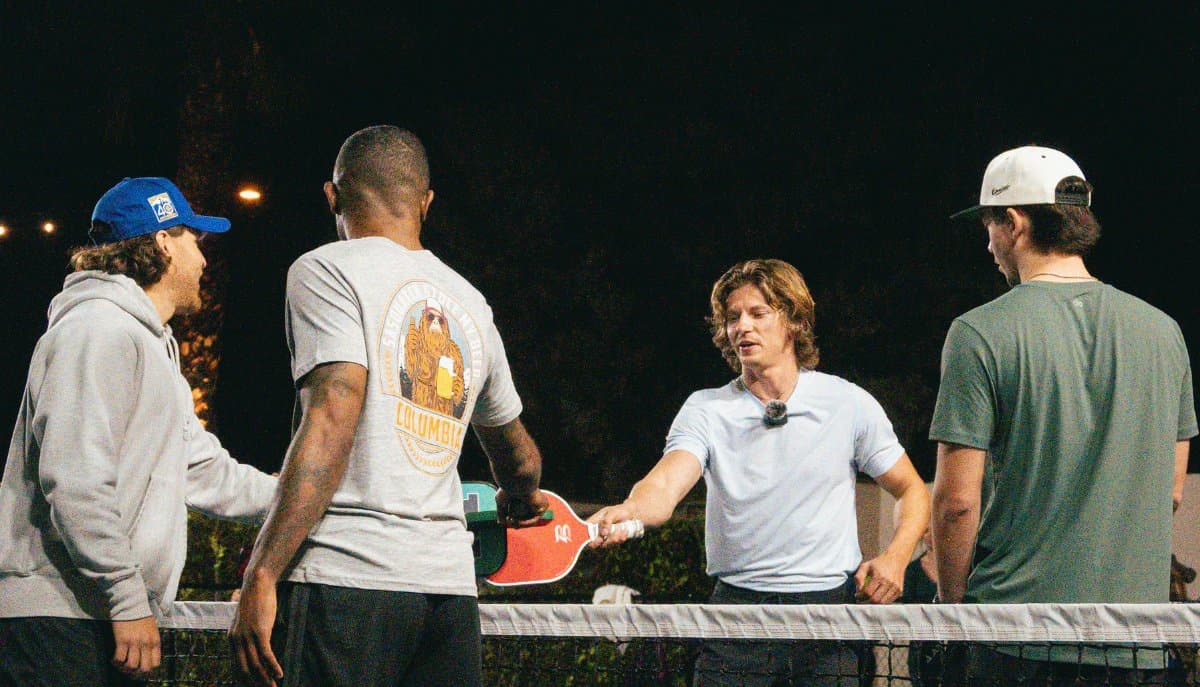
The demographic spread is also broader than any comparable sport. The fastest growing segments in 2026 are players under 25 and players between 35 and 44. Those were traditionally the hardest age brackets to recruit into a new sport. Young adults tended to stick with what they played in school. Middle-aged adults tended to stay with whatever fitness routine they had built around their work schedule. Pickleball has managed to break into both groups. Part of that is social. Pickleball is almost always played in doubles, which makes it inherently a group activity rather than a solo workout. Part of that is accessibility. Public parks, community centers, and private clubs have added courts at record rates. Even commercial real estate developers are building pickleball facilities into new residential projects.
The economic picture around the sport has become substantial. Major League Pickleball and the Professional Pickleball Association both held tournaments in Q1 2026 that drew national broadcast coverage. Paddle manufacturers including Selkirk, Joola, and Franklin have each crossed meaningful revenue thresholds in the past year. Commercial pickleball club chains like Life Time Pickleball, Chicken N Pickle, and CRAFTPickleball have expanded into new metros including Nashville, Charlotte, and Phoenix. Sponsorship dollars that used to flow to tennis events are now flowing into pickleball. The sport's professional circuits have begun signing player contracts comparable to mid-tier tennis prize purses, which is a significant shift for a sport that was amateur-first just three years ago.
Nashville specifically has become one of the top ten pickleball markets in the country. Courts at public parks in Davidson, Williamson, and Rutherford counties are booked at peak hours almost every night of the week. The metro area now has more than forty dedicated pickleball facilities. Several gyms in the area that used to prioritize basketball and tennis have converted space to pickleball courts because the utilization is simply higher. Real estate data from Tennessee multiple listing services shows that home listings featuring a home pickleball court sell faster and at a modest premium compared to listings without one. That kind of data point reflects consumer demand, not marketing spin.
The sport has its friction points. Noise complaints from residents near new outdoor courts are now a common municipal issue. The hollow plastic ball used in pickleball produces a distinct sound that carries in ways tennis balls do not. Some communities have passed ordinances limiting hours of outdoor play. Developers have responded with noise-dampening court surfaces and new paddle technology designed to reduce acoustic impact. Competitive tensions between pickleball and tennis players over shared court space have become a running storyline in public parks across the country. Those tensions are starting to ease as cities build dedicated pickleball-only facilities, but the friction is real.
Health outcomes are another part of the story. Peer-reviewed research published in the first quarter of 2026 found that regular pickleball participation correlates with significant improvements in cardiovascular fitness, mental wellbeing, and social connection scores among players aged 55 and older. The sport is now formally recommended by the American Heart Association as a valid cardiovascular exercise option for older adults. Physical therapists and sports medicine physicians have reported that pickleball-related injuries do occur, especially among players who return to aggressive lateral movement without proper conditioning. The injury profile tends to involve ankles, Achilles tendons, and rotator cuffs. Most are avoidable with basic warm-up and footwear choices.
The question for the next two years is whether pickleball can cross from participation leader to broadcast mainstream. Tennis, golf, and football have decades of television contracts and established viewing audiences. Pickleball does not yet have the television architecture those sports built over generations. What it does have is the highest participation growth rate of any sport in the last decade and a demographic mix that advertisers find attractive. If the broadcast infrastructure catches up to the participation base, pickleball will settle into a permanent top tier position in American sports. If broadcast lags, it will remain a mass participation sport without the cultural centrality of the sports it has quietly surpassed at the grassroots level.