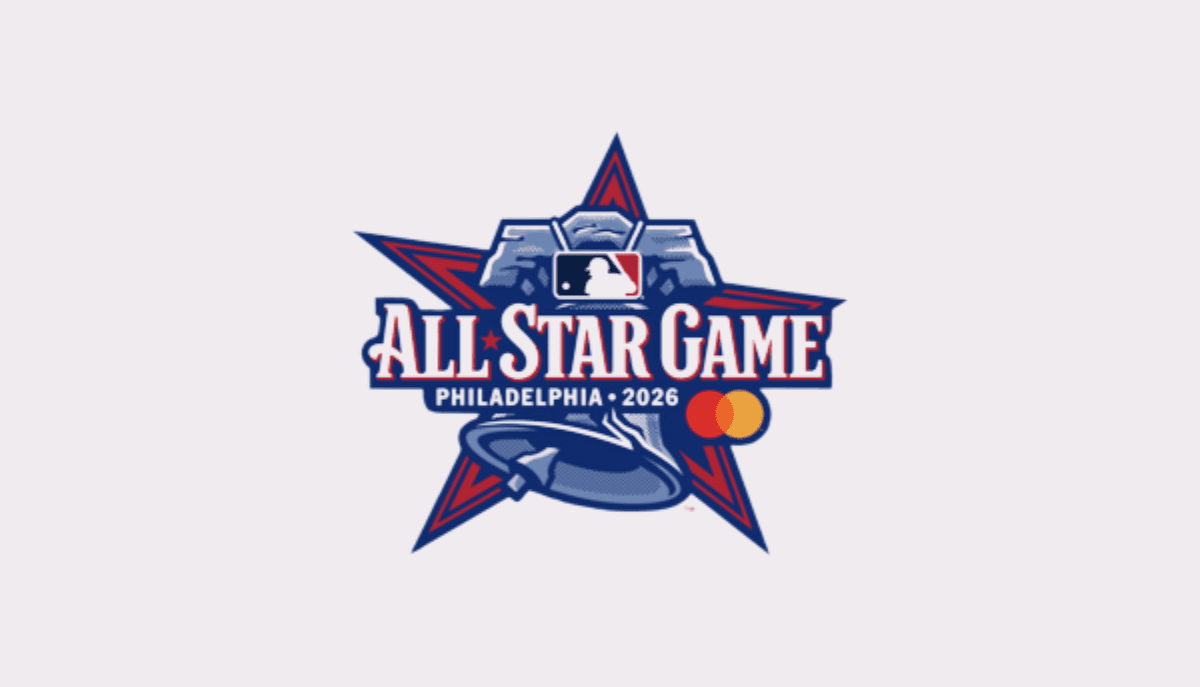
Major League Baseball unveiled the full schedule for the 2026 All-Star Week in Philadelphia on Tuesday, and the week of events around the Midsummer Classic tells you a lot about where the league is trying to go culturally. The HBCU Swingman Classic opens the baseball portion of the week on July 10 at Citizens Bank Park, bringing together 50 Division I players from Historically Black Colleges and Universities. Ken Griffey Jr., who launched the classic in 2023, remains the face of the event. The Home Run Derby follows on July 13, the All-Star Game caps the week on July 14, and a Futures Game spotlighting top minor league talent lands on July 12. Philadelphia gets a full week of major league attention tied to America's 250th anniversary celebration.
The HBCU Swingman Classic is worth understanding on its own terms. Fifty elite HBCU baseball players get a nationally televised showcase on MLB Network, in a major league stadium, evaluated by professional scouts and a selection committee that includes Griffey and MLBPA representatives. For players at schools that do not generate the same recruiting infrastructure as Power Five programs, that visibility can be the difference between being seen and being overlooked. The event is now in its fourth year, which means it is past the novelty phase and into the territory where outcomes matter. Players from previous editions have signed professional contracts. The pipeline is working.
The broader context for Black baseball in 2026 makes the Swingman Classic more significant, not less. Black players represented about 7 percent of MLB rosters as of last season, down dramatically from roughly 27 percent in the late 1970s. The reasons are complex and debated, ranging from scholarship economics favoring football and basketball, to geography and access to competitive amateur baseball infrastructure, to the cultural cachet that shifted toward other sports. MLB has invested in its Diversity Pipeline program and the Reviving Baseball in Inner Cities initiative for years, with mixed results at the professional level. The HBCU Classic is the most direct version of that investment: put the players in the building, put the scouts in the seats, and let the talent speak.
Philadelphia as a host city adds its own dimension. Citizens Bank Park seats about 43,000, the city has one of the largest Black populations in the Northeast, and the region has deep baseball history tied to the Negro Leagues and legendary Black players who moved through Philadelphia at various points in the sport's history. The Phillies organization has been rebuilding its relationship with the broader Philadelphia community in recent years after decades of a complicated history with Black fans and players. Hosting an All-Star Week that leads with the HBCU Classic is a meaningful signal about priorities, even if the signal still has to be backed up by organizational behavior year-round.
The All-Star Game itself tips July 14 at 8 p.m. Eastern on ESPN. Voting for roster selections opens through MLB platforms in the coming weeks. The Derby format, which has evolved over the years into one of the more entertaining standalone baseball events of the summer, draws heavy attention from casual fans who might not follow the regular season but tune in for the spectacle of watching the game's best hitters take batting practice in prime time. For Philadelphia businesses and the city's economy, the week represents significant hotel, restaurant, and retail revenue concentrated in July. The city has experience hosting major sports events and the infrastructure to handle the footprint. The week on paper looks like a genuine showcase. Whether it delivers on the HBCU pipeline specifically is a question that gets answered in October, when rosters and draft reports tell the real story.
---