Lifeway Research published a report this month titled "9 Encouraging Trends for Global Christianity in 2026," and the data inside it pushes back on the dominant narrative that the church is in irreversible decline. That narrative is not entirely wrong, particularly when you narrow the focus to mainline Protestant denominations in North America. But the global picture is considerably more complex, and the U.S. picture has more movement in it than the collapse story allows for.
Start with the numbers at the top. More than 2.6 billion people around the world identify as Christian in 2026. That represents 32.2 percent of the global population. The projection is that figure rises to 35.9 percent by 2075. The growth is not evenly distributed. Sub-Saharan Africa, Latin America, and parts of Southeast Asia are experiencing genuine church growth in ways that North American and European Christianity has not seen in decades. The global church is not shrinking. The center of gravity is shifting.
Within the United States, YouVersion reported its highest level of Easter engagement ever recorded this past weekend. That data point is worth examining for what it actually tells you. The Bible app is not a proxy for church attendance, and digital engagement with scripture is a different thing than in-person community. But the direction of the metric matters. People are not moving away from the text itself. The 41.6 percent increase in Bible sales since 2022 points in the same direction. Something is happening at the level of personal spiritual inquiry that is not yet fully captured by church attendance figures.
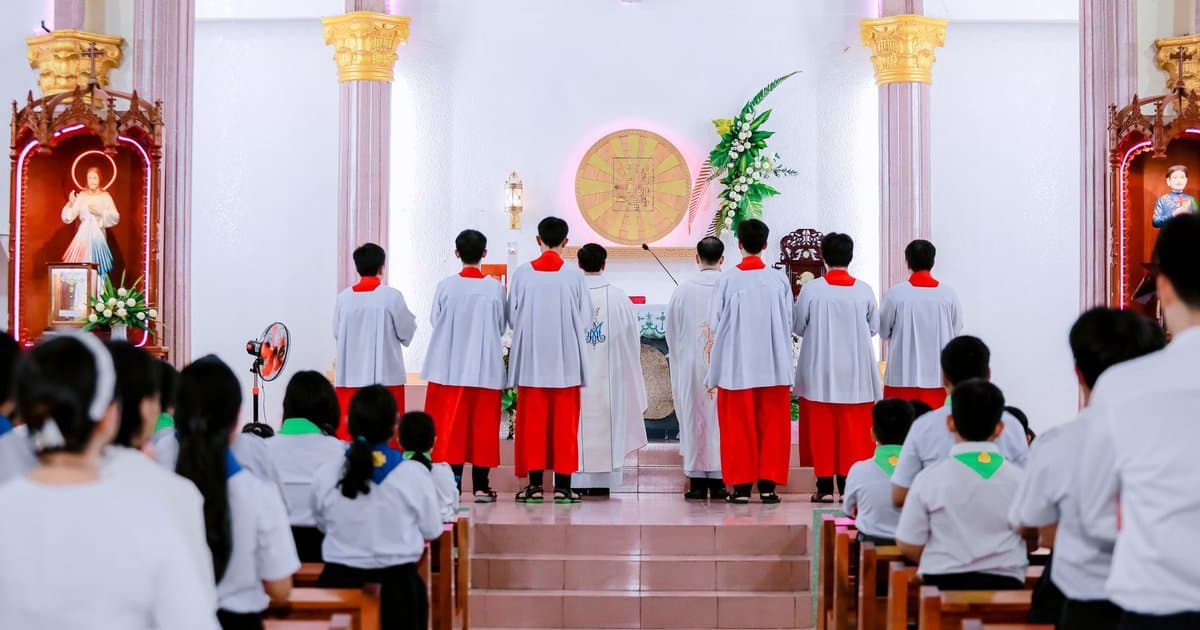
The Lifeway Research report identifies a growth in adult baptisms that mirrors what several dioceses and denominations have been reporting since Easter 2024. The Easter Vigil in particular has become a genuine moment of conversion across multiple traditions, with record numbers of adult candidates receiving baptism this year in both Catholic and mainline Protestant churches. This is distinct from the broader attendance softness that those same traditions are experiencing in their general Sunday metrics. The people who are choosing to join the church in 2026 appear to be doing so with greater intentionality than previous generations who inherited their faith community as a default.
The missionary opportunity embedded in these trends is the part that deserves the most pastoral attention. Premier Christian News' research on the "spiritually open" cohort, people who have no prior church background but are actively experiencing unexplained spiritual events, dreams, and questions they do not have categories for, represents a population that is not going to walk through a church door on their own initiative. They are spiritually curious but institutionally skeptical. Reaching them requires something different from what the traditional church model offers. It requires presence, relationship, and a willingness to meet people in the confusion rather than presenting a fully resolved theological package.
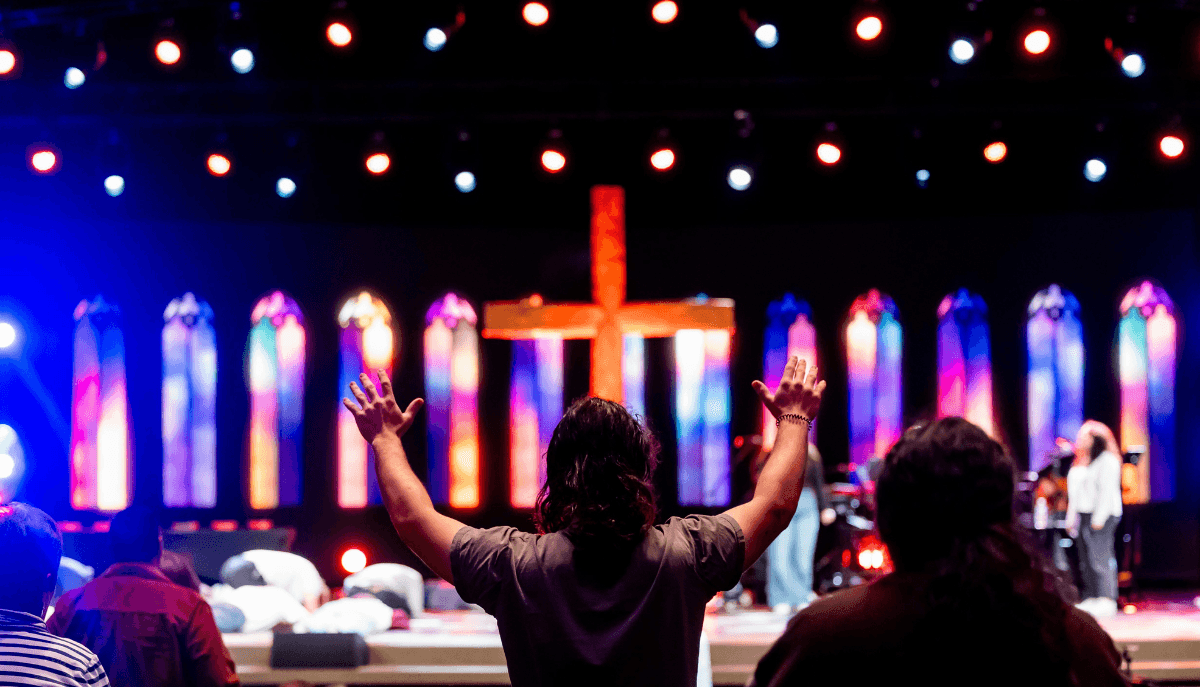
The trends in Christian music streaming are also worth noting because they reflect something real about where people are finding spiritual formation outside of formal church settings. Christian music streams are up 50 percent since 2019. Worship and gospel content has found massive audiences on platforms not typically associated with faith communities. People are worshipping in their cars, their earbuds, and their home workouts. Whether or not that translates into embodied community is a separate question, but the spiritual appetite it reflects is genuine.
The honest reading of Lifeway's 2026 report is not triumphalism. The American church still faces serious structural challenges: declining youth retention, theological confusion, institutional trust problems that are going to take years to repair. But the report is a correction to the assumption that everything is going in one direction. The real picture is more interesting and more complicated. A church that can read these trends honestly, see where the hunger is, meet the spiritually open where they actually are, and disciple the adults who are choosing baptism with real intentionality will not be the same church that spent the last decade managing decline. That is something worth working toward.