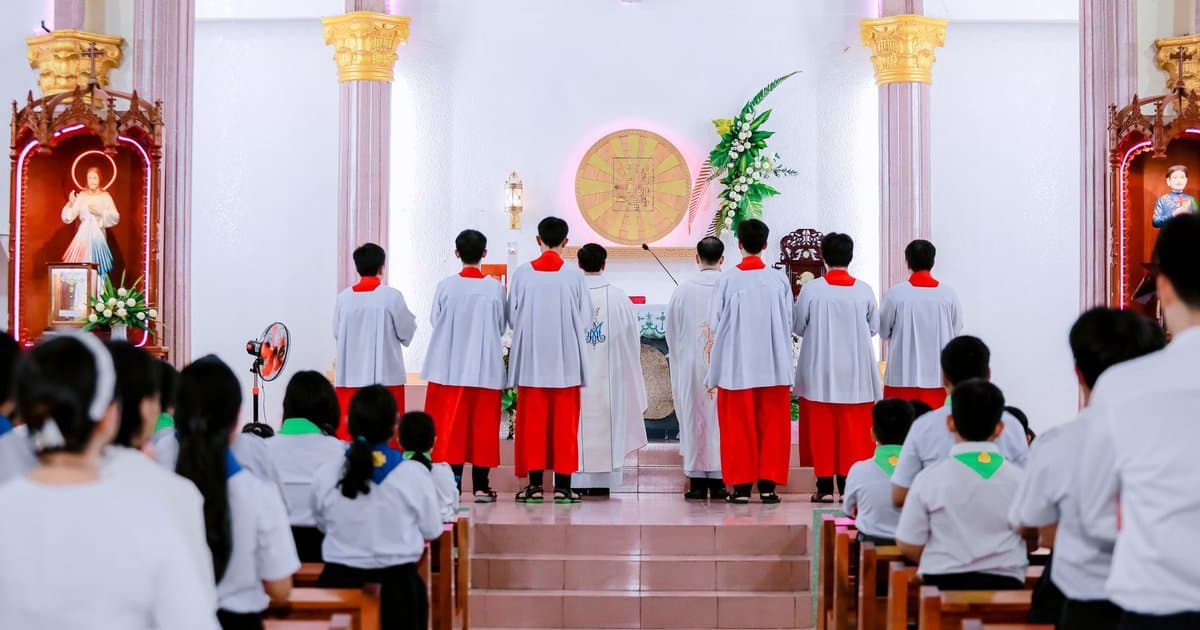
On April 4, during the Easter Vigil services held across France, more than 13,200 adults and over 8,100 adolescents were baptized into the Catholic Church. French media described the event as a renewal of faith and a transformation of Catholicism in the country. Those are strong words for a nation that has spent the last several decades watching church attendance decline, parish buildings close, and cultural Catholicism fade into something most people under forty associate more with architecture than active belief. But the baptism numbers are not a blip. They represent the third consecutive year of growth in adult baptisms in France, and they tell a story about what happens when a faith tradition stops being the default and starts being a decision.
The people being baptized are not returning to something they left. Many of them never had a religious background at all. The testimonies collected by French dioceses describe adults who came to faith through personal crisis, loss, serious illness, or what many of them called a decisive encounter with someone whose life reflected something they could not explain through secular frameworks alone. These are not people who were raised in the church and drifted away. These are people who found the church in adulthood because something in their life broke open a question they could not answer on their own. That distinction matters because it changes the nature of what the church in France is becoming. It is not growing through inheritance. It is growing through conviction.
The paradox that French sociologists and church leaders are both grappling with is that the church in France is simultaneously shrinking and intensifying. The total number of practicing Catholics continues to decline. Parish attendance on a normal Sunday is a fraction of what it was thirty years ago. The institutional presence of the church in public life has diminished significantly. But the people who are entering the church now are entering with a level of intentionality and personal commitment that the cradle Catholic model rarely produced. A church can gain highly motivated new members even as it loses larger numbers of people who were born into the tradition but never personally chose it. The result is an institution that is numerically smaller but spiritually denser, and that dynamic is reshaping what French Catholicism looks like from the inside.
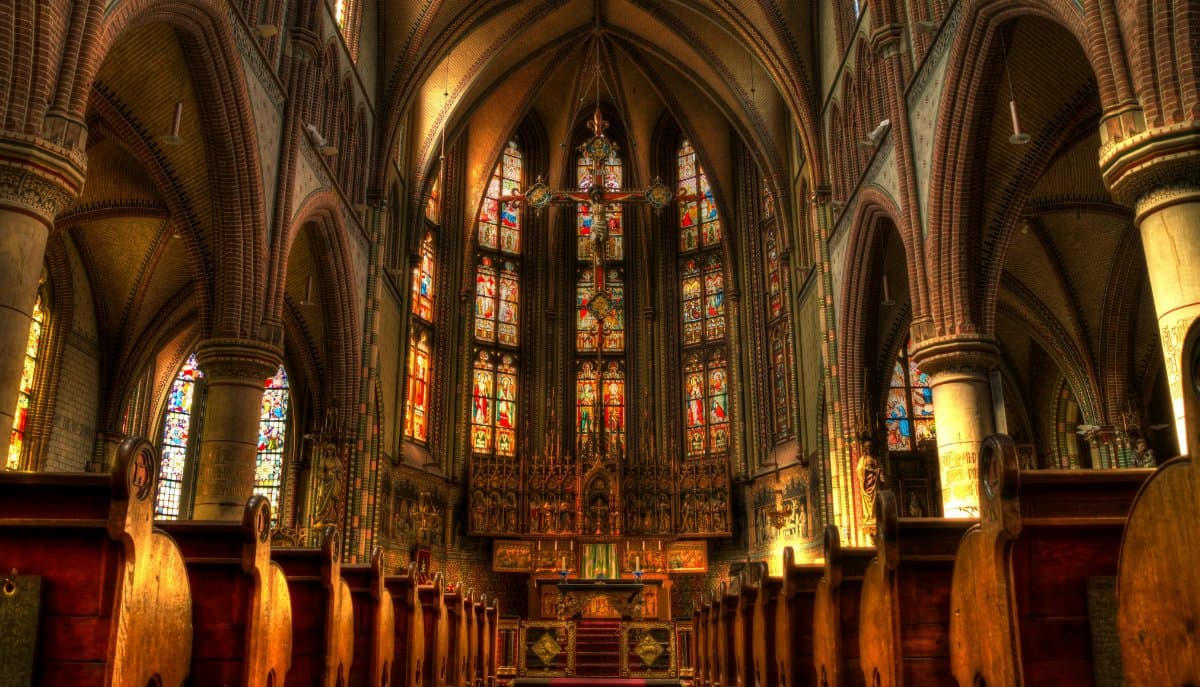
This pattern is not unique to France, but France is where the contrast is most visible because the country's Catholic heritage is so deeply woven into its national identity. Cathedrals, feast days, cultural rhythms, and political traditions all carry Catholic DNA in France in ways that most French citizens take for granted without actually practicing the faith. What the Easter baptism numbers suggest is that the gap between cultural Catholicism and practiced Catholicism has widened to the point where the practiced version is developing its own identity. The people being baptized are not joining the France of Notre Dame and village churches. They are joining a community of people who made a conscious choice to believe, and that community looks and feels different from what Catholicism in France looked like a generation ago.
The implications for the global church are significant. France has historically been one of the most important Catholic nations in the world, and what happens there tends to influence how the church thinks about evangelization, formation, and cultural engagement in other Western countries. If the French model is shifting from a broad cultural religion to a smaller movement of intentional believers, that shift will inform how church leaders everywhere think about growth, discipleship, and what it means to build a faith community in a post-Christian culture. Pope Leo XIV, who has emphasized personal encounter and spiritual formation since the beginning of his papacy, has pointed to the French baptism numbers as evidence that the church's future lies not in reclaiming cultural dominance but in deepening the faith of the people who choose to show up.
What makes this moment worth paying attention to is not the numbers themselves but what they represent about how people find faith in 2026. The paths that led these 13,200 adults to the baptismal font were not institutional. They were personal. Illness, grief, a conversation with a stranger, a book, a moment of silence that opened into something unexpected. The church did not recruit these people through programs or marketing campaigns. It received them because they arrived at its door asking questions that no other institution in their life was willing to take seriously. That is not a growth strategy. It is something older and harder to manufacture, and it is happening in the last country most people would have predicted.