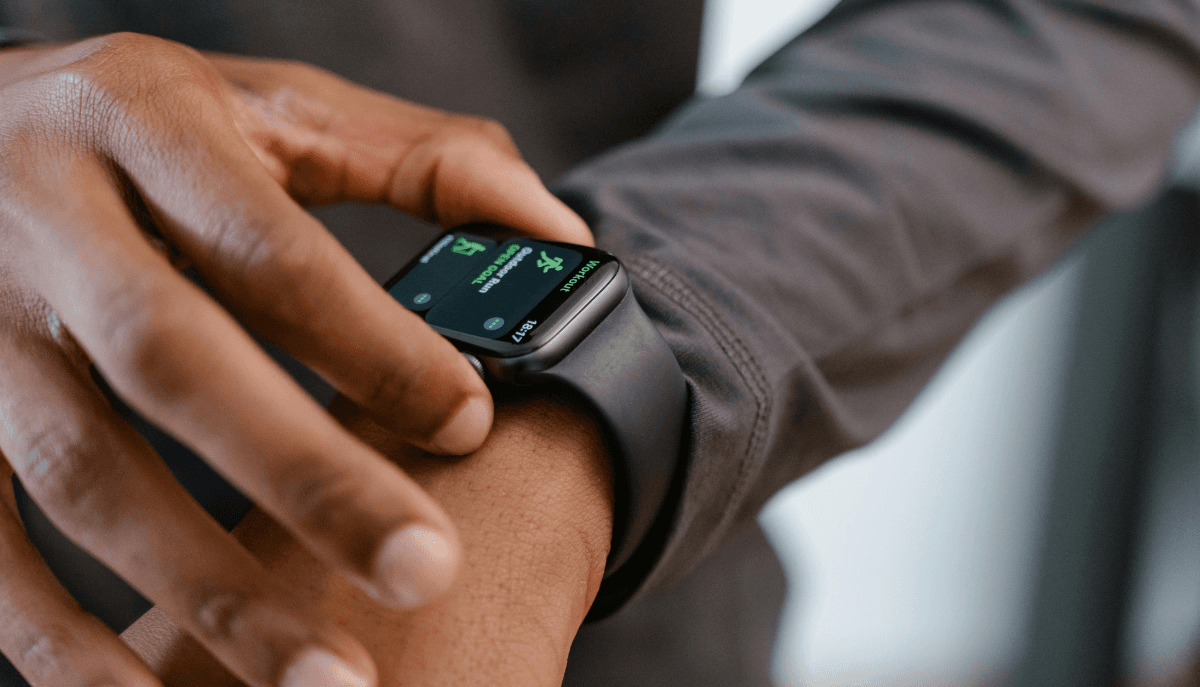
The continuous glucose monitor on your friend's arm at brunch is no longer a medical device. It is a lifestyle category. In the first four months of 2026 alone, sales of over the counter CGMs from Dexcom, Abbott, and a handful of newer entrants have crossed 4.1 million units according to industry tracking from L.E.K. Consulting. That is more than were sold in all of 2024. The FDA cleared Stelo and Lingo for over the counter use in 2024 and the market has been opening up in stages since. By spring 2026, you can buy a two week sensor at a Walgreens for under fifty dollars without a prescription, slap it on the back of your arm, and watch your blood sugar in real time on your phone.
The wearers are not who you might expect. The biggest growth segment is people in their late twenties and thirties who do not have diabetes and are not at obvious risk. They are runners training for marathons. They are men in finance who heard a podcast about metabolic health. They are mothers in their early thirties who want to figure out why they crash at three in the afternoon. They are pastors and teachers and tradesmen who want a tool that gives them feedback they can actually use. The thing the CGM does that no other consumer device does is connect a specific food to a specific physical response. You ate the bagel at nine. By ten you are at 178 milligrams per deciliter and you feel awful. The number explains the feeling.
What people learn from a sensor is usually surprising. Oatmeal often spikes harder than ice cream. White rice paired with fat and protein behaves very differently than white rice on its own. A morning workout flattens the response to the same breakfast eaten an hour later. Sleep matters more than most people thought. Stress shows up as a glucose curve. The data turns vague nutritional advice into something concrete. You stop debating whether breakfast is good or bad. You see what your breakfast does to you, and you adjust.
The medical community is split on whether non diabetics need this information. The American Diabetes Association has been cautious. They warn that obsessive monitoring can encourage disordered eating in some users. Endocrinologists like Dr. Casey Means have pushed back and argued that metabolic dysfunction is the upstream cause of most chronic disease and that giving people sight into their own physiology is a public health win. Stanford researcher Michael Snyder published a study in 2024 showing that even non diabetics have wildly different glucose responses to the same foods, and that personalized data outperforms population guidelines. The split has not slowed adoption. The market is making the call ahead of the literature.
For the wellness industry, CGMs are restructuring how people coach. Functional medicine doctors are building four week programs around a sensor cycle. Run coaches are using glucose data to time fueling on long runs. Strength coaches are using post workout glucose curves to time protein and carb refeeds. The information is dense enough that an entire side industry of CGM coaches has emerged on Instagram and TikTok. Most of them are unregulated and the quality of advice ranges from genuinely useful to dangerous. The good ones are teaching people to think about glycemic control as one input among many. The bad ones are turning every spike into a sin.
There is also a faith and discipline angle that gets less attention than it should. Watching your glucose for two weeks teaches you about your own appetite in a way reading about it never could. You see the snack you reached for at ten at night and the spike that followed and the bad sleep that came after. You see the discipline of the breakfast you skipped and the steady curve that followed. The data gives the body a vocabulary. People who pray about their bodies and take care of them as gifts have used CGMs to good effect because they already had a framework for receiving the information without spiraling.
The category will grow. Levels is valued over 400 million. Apple is reportedly working on a non invasive glucose sensor. Garmin and Whoop have integrations live. Insurance is starting to cover sensors for people with prediabetes.
The practical advice for readers thinking about their health is simple. A two week sensor is cheap, painless, and full of information. Wear one. Eat your normal diet. Note what you see. Then build the next year of your eating around what you actually learned about your own body, not what a magazine told you about somebody else's.