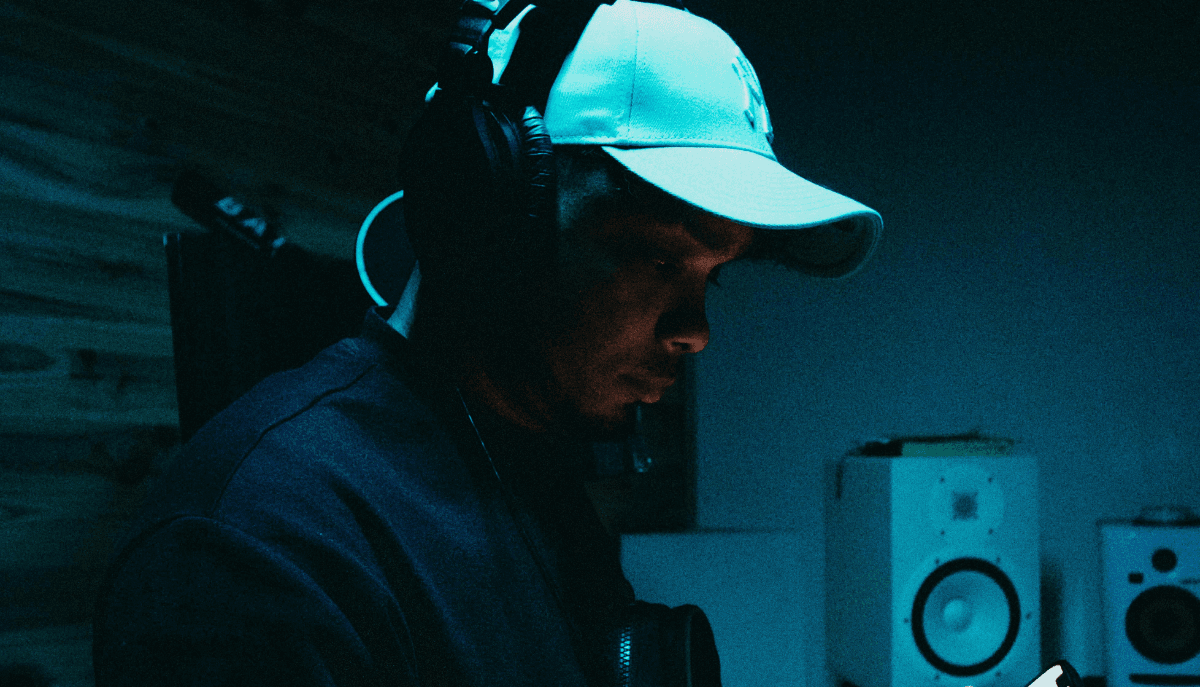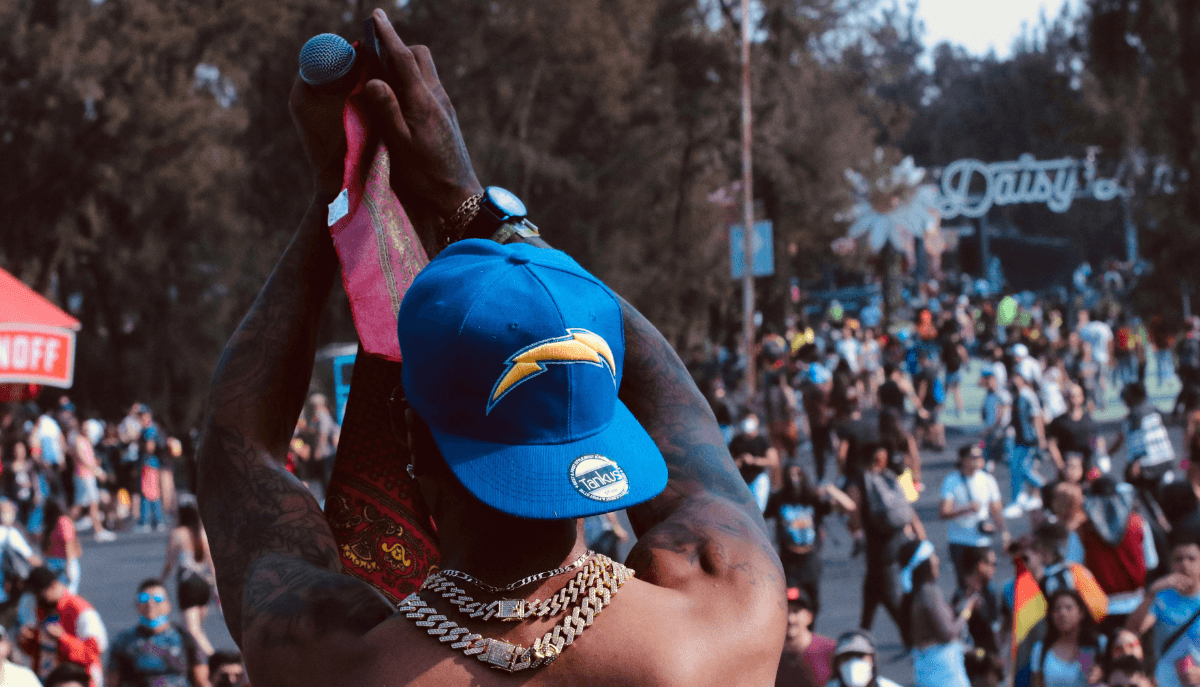
Run the credits on the top twenty rap songs on the Billboard Hot 100 this week and a pattern shows up. A disproportionate share of the production came out of Atlanta, and specifically out of a group of producers most casual listeners cannot name yet. Wheezy, Tay Keith, Cheese, Bankroll Got It, SephGotTheWaves, Cubeatz, and a newer cohort including BNYX, Turbo, and Malik Ninety Five are driving the sonic direction of what major labels are pushing in 2026. The Atlanta production scene has always mattered. What is different right now is how openly the current cohort is pulling from outside the city.
The classic Atlanta sound, the one Metro Boomin and Southside built through the 2010s, still forms the backbone of what comes out of the city. 808s with long sustain and roll patterns. Hats that triplet and roll without bleeding into each other. Minor key melodies with a slight detuned quality. That foundation is still present. What the current cohort is doing is layering in sonic elements that used to live in separate regional scenes. Detroit sample flips appearing on Atlanta trap drums. Memphis phonk-style vocal chops on records that are not phonk records. West Coast G-Funk synth leads on songs that do not sound West Coast.
A key driver of the shift is the producer community's interaction with social media. Beats that go up on YouTube and Beatstars now reach a global audience immediately. Producers in Atlanta are listening to, buying, and co-producing with producers in Detroit, Oakland, Paris, and Seoul. Record labels that used to sit between artists and producers have less ability to police those exchanges. The sound that ends up on a major label album now often started as a collaboration across three cities and two time zones that happened entirely on Discord.
Commercially the results are showing up on the charts. Future's most recent project leaned heavily on Wheezy and Cubeatz, with BNYX appearing on two tracks. Gunna's latest album had production from nearly every name in the current cohort. Playboi Carti's Music album, which released to significant sales, pulled from a producer roster dominated by Atlanta-based talent with Detroit and LA guest production. The top rap tracks of 2026 year to date have a producer credit pattern that is more clustered around Atlanta than any year since the peak of Metro Boomin's mid-2010s run.
The pay structure for these producers has evolved alongside the sound. The split between producers, executive producers, and artists has tightened as producers have gained more direct relationships with labels and artists. Production credits on major label records are now routinely split among four or five collaborators, with each receiving a percentage of both the master and the publishing. A top tier producer in the current cohort working on a major artist's album can expect upfront fees in the six figure range per placement plus backend royalties that can run meaningfully higher if the record performs. That economics has attracted serious technical talent from outside rap into the production ecosystem.
Atlanta's infrastructure supports the scene in ways that other cities cannot match. Studios like Means Street, Icon, and Patchwerk remain active hubs. Producer collectives like 808 Mafia and Wheezy's camp have formal structures that mentor younger talent and develop sonic lineages. The Atlanta Hip Hop Awards each fall have become a recognition mechanism that industry decision makers pay attention to. The city's mayor's office has publicly framed the music ecosystem as an economic development asset and has allocated modest grant funding to production workshops and studio access programs for younger producers.
The influence cuts both ways. Atlanta producers are not only pulling from other scenes. They are exporting the Atlanta sound into other regions. Afrobeats records out of Lagos are now occasionally built on beats that started in Atlanta. UK drill has been pulling Atlanta-style 808 patterns for several years and that trend has deepened. Latin urban producers in Miami, Medellín, and San Juan regularly cite Atlanta beats as reference points. The city's production DNA shows up in the biggest records from three continents this year.
The new cohort is also more technically ambitious than past Atlanta generations. Producers in the current group are writing more original melodies rather than relying as heavily on sample packs. They are recording live instruments, building hybrid analog-digital workflows, and collaborating with classically trained keyboard players and guitarists. The sound is getting richer without losing the rhythmic identity that made Atlanta the center of rap production for the past fifteen years.
What comes next for the scene depends on who emerges into the upper tier. A producer who lands a platinum-selling lead single and follows it with a second goes from a rising name to a household name in a single cycle. Several names in the current cohort are one record away from that jump. The next six months of release calendars include major projects from Future, 21 Savage, Lil Baby, Gunna, Young Thug, and a long list of second-tier Atlanta artists whose albums will be built on this production roster. Watch the production credits in late spring and summer. The names showing up twice or three times across those records are the ones to track into 2027.