Ray Oldenburg gave us the term "third place" in 1989 to describe the neighborhood cafes, bars, barber shops, and community centers that sat between home and work in healthy communities. For most of the decades that followed, American planners and writers lamented that the third place was disappearing, hollowed out by suburbanization, car dependence, and the pull of screens. In 2026 the trend is visibly reversing. Americans are actively seeking out places that are neither their home nor their office, and the operators building for that demand are quietly winning.
Coffee shops are the most legible part of the shift. The big chains are still dominant by store count, but the growth is happening in independents and small regional groups that have leaned into the third-place role. Local cafes are redesigning around longer dwell times, with more seating, real tables rather than counters, reliable wifi, and a welcoming posture toward patrons who want to stay for three hours with one cup. The financial model is not about coffee per customer. It is about coffee plus pastry plus a second drink plus relationship across months. Operators who understand that math are expanding while the standardized chain model is flat.
Libraries are the surprise story of the decade. American public libraries posted their highest attendance numbers since 2019 last year, and the trajectory for 2026 looks stronger. The reason is not books. It is that libraries have become the reliable, free, broadly welcoming indoor space that communities have been missing. Maker spaces, co-working rooms, kids programming, teen gaming nights, and language classes are all drawing foot traffic that has nothing to do with the catalog. Nashville Public Library's downtown branch has become a daily work destination for freelancers and remote workers. That story is playing out in library systems across the country.
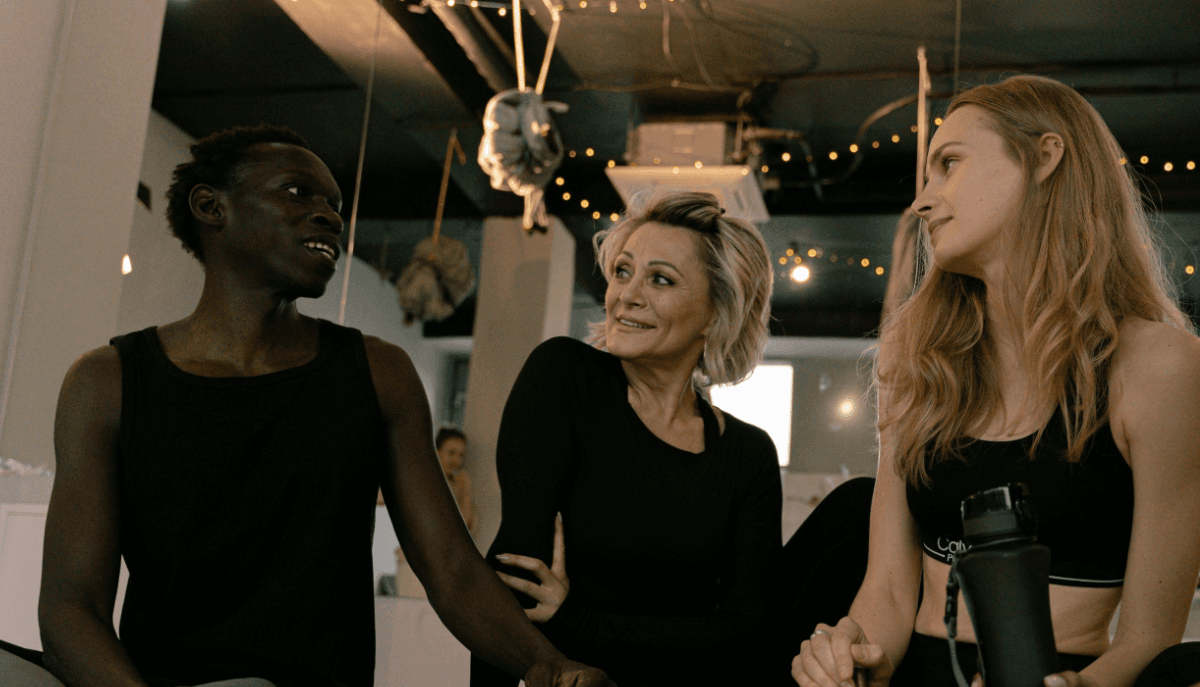
Run clubs deserve their own category because their growth has been extraordinary. Major-city run clubs like November Project, Brooklyn Track Club, and dozens of local equivalents now pull hundreds of runners to weekly meetups. In Nashville, multiple run clubs have grown from a few dozen to several hundred regular attendees over the past three years. The social engine of these clubs is stronger than the athletic engine. People show up for the community and stay for the miles. Bars, restaurants, and coffee shops near popular run routes have started partnering with the clubs because the post-run coffee and brunch traffic is substantial.
Community gyms are another form the revival is taking. The big-box gym model, where members pay a low fee and rarely see the same person twice, is not where the growth is. The growth is in class-based studios, CrossFit boxes, HYROX-affiliated gyms, and small personal training groups where the same people show up four days a week and actually know each other. That model is more expensive per member but it is far more durable, and the retention numbers support it. The gym has become a social institution for its members in a way the big-box model never delivered.
Churches are the most underreported third space in 2026. Young adult attendance in several denominations is growing, not just in the high-profile charismatic spaces that get media attention but in mainline and Catholic contexts as well. Part of that growth is about faith. Part of it is about community. A church that hosts a weekly young adult gathering, a weekly dinner, and a regular small-group rhythm has delivered a third-place experience that members could not find elsewhere. Several pastors I have talked to have said explicitly that they design programming with the social infrastructure in mind, because they know young adults are coming partly because they are starving for shared rhythms.
The commercial implication is worth noticing. Developers and retail operators who used to think in terms of national chain tenants are increasingly interested in the third-place operator as an anchor. A small regional coffee chain can drive more foot traffic for a mixed-use project than a chain apparel store, because people come back weekly rather than quarterly. Nashville's Germantown, East Nashville, and Wedgewood-Houston neighborhoods all illustrate the pattern. The retail centers doing best have deliberately curated for the third-place tenant mix.
Why is this happening now. Remote and hybrid work is a major factor. Millions of Americans no longer have an office to go to, and they are actively seeking indoor spaces where they can work alongside other people. The loneliness data is another factor. Surgeon General and academic researchers have been documenting a genuine collapse in Americans' social connection through the 2010s and into the 2020s, and people have noticed in their own lives. Third spaces are the practical answer. Phone-first culture is part of the story too. People are increasingly aware that they need environments where they are not just on their device, and they will pay or travel to find them.
The short version is that the third place is having a moment because Americans are consciously choosing to get out of their homes, put their phones down, and spend time in places where they can see faces they recognize. That is a cultural shift with real economic weight, and the businesses and institutions designing for it are the ones that will matter in the next decade.